Community and Environment Toolkits Review
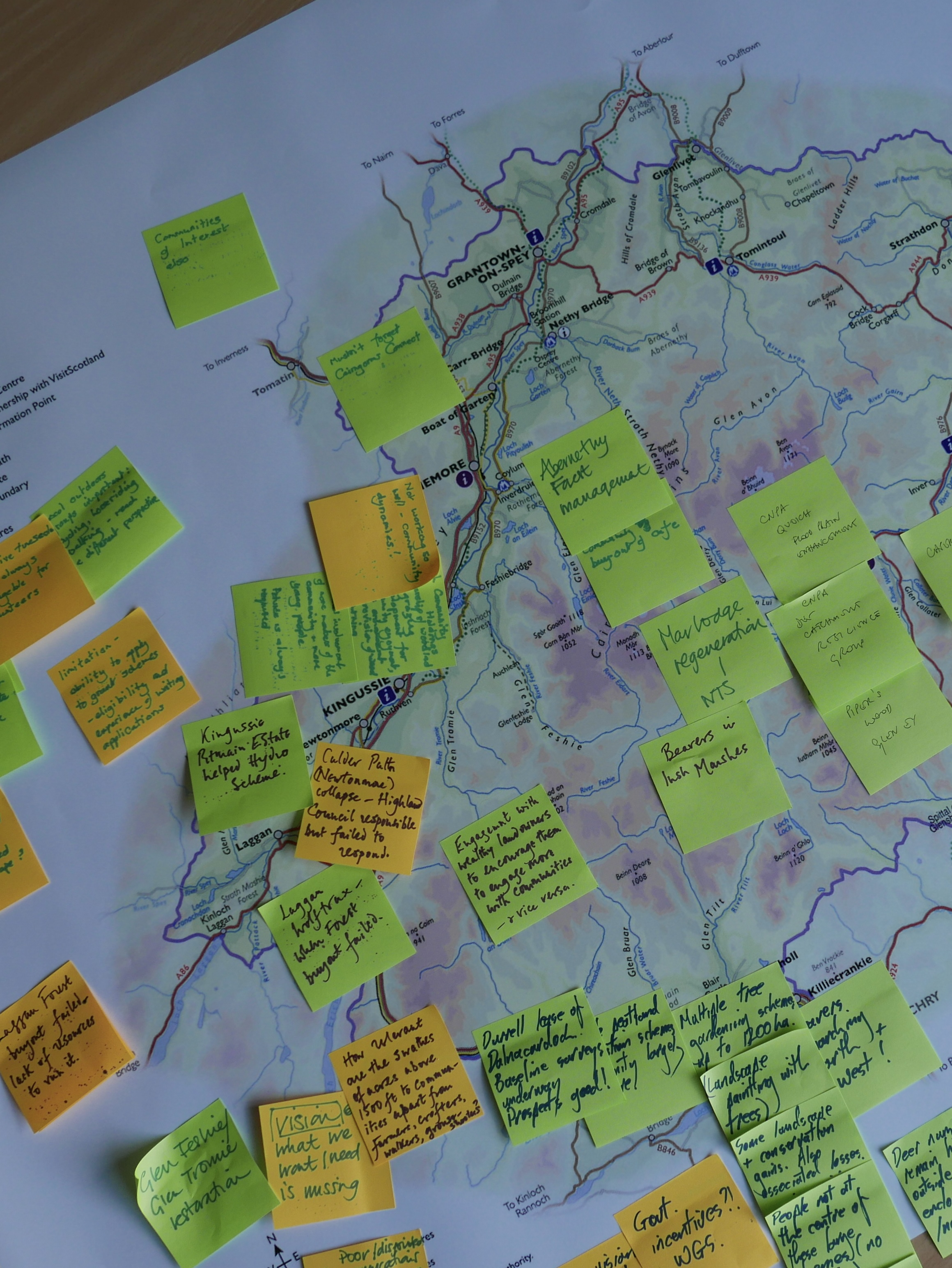
As noted in the landscape regeneration stories, our research in the Cairngorms identified wide-ranging issues and barriers for communities in initiating, developing, and sustaining land-based initiatives. Numerous community and environment toolkits have emerged in Scotland and beyond to facilitate community participation in environments. In this section, we review community and environment toolkits, creating a ‘toolkit of toolkits’ that scans existing resources, identifies common themes, and builds on these efforts to inform and advance community-based landscape regeneration practices. We also critically consider how these toolkits provide meaningful support and guidance to communities developing projects and plans in this sphere, and where they may fall short as resources.
In this review, we adopt a broad definition of toolkits, which includes a range of approaches, forms, objectives, and practices. The language around toolkits varies significantly, with many organisations not explicitly using the term ‘toolkit’ for their intended resource or output.Berry et al., ‘Unpacking Toolkits’. Rather, collections of tools, guides and ‘how to’ manuals can be identified, with practitioners and third-sector organisations often preferring to highlight their resources. Some toolkits are more focused on practical applications while others are less prescriptive and serve as more open-ended guides.Hanson, ‘A Toolkit by Any Other Name’.
Our toolkit review incorporates the following objectives:
To synthesise the range of toolkits on community and environment available and to identify their primary objectives, focal points, scope, key actors, and embedded resources.
To critically evaluate the common trends and possible shortcomings across the toolkits, reflecting on how these relate to the issues and barriers for community-based landscape regeneration identified in our findings.
To assess the value of toolkits in this area and their contribution to supporting and guiding community-based landscape regeneration.
Our review broadly focuses on toolkits oriented toward communities and their environments, where climate change, biodiversity loss, and environmental change are addressed alongside community benefits and empowerment. These toolkits are wide-ranging, covering diverse topics and issues, including landscape regeneration, as well as cases such as community energy and social farms. They provide a variety of guidance, knowledge-sharing, and practical tools and resources.
For this review, we identified forty-seven toolkits and related community initiatives, each of which is detailed in the table at the end of this section. We have organised the toolkit table according to the five themes in our Aims and Actions section that follows, and which are the key areas in which this toolkit seeks to inform and support community-based landscape regeneration initiatives. The majority of the toolkits reviewed focus on community-based environmental initiatives in Scotland. We supplemented this selection with a small number of international toolkits, identified through web searches using relevant keywords, such as ‘communities and restoration’ or ‘communities and rewilding’. In line with our inclusive interpretation of communities, the review includes toolkits focused on both communities of place and of practice, and a wide range of communities, for instance farmers and crofters or citizen scientists.
We analysed the toolkits according to four themes, each explored below, including: focus and objectives; key actors in toolkit design and use; co-design and network-building practices; and intended impacts and outcomes. For the final theme on toolkit impacts, we supplemented the review with a small number of individual interviews with toolkit developers to better understand their objectives, intended contributions, and evaluation processes.
1) What are the focus and main objectives of toolkits?
Most toolkits support community action on climate and ecological restoration and offer resources to start, develop, and strengthen community and voluntary groups. Where communities lack the means, power, and capacity to regenerate the land, toolkit developers provide resources, tools, and links to funding to facilitate action. Toolkits can focus on enabling communities to recover from environmental disruption, such as wildfires or floods, while undertaking landscape regeneration.Smart Forests and Fundación Mar Adentro, Ecologies of Fire. Across organisations, this support includes information, tools, datasets, training, and funding guidance.
A primary objective of many toolkits is to address knowledge gaps within communities. These gaps cover ecological, social, economic, policy, and legal dimensions. Some toolkit examples share knowledge through formalised, accredited online courses, such as Rewilding Europe or Scottish Wildlife Trust’s ‘Nextdoor Nature Pioneers’ Programme, while most provide guidance and information through webpages such as online training, webinars, downloadable documents, and resource hubs.
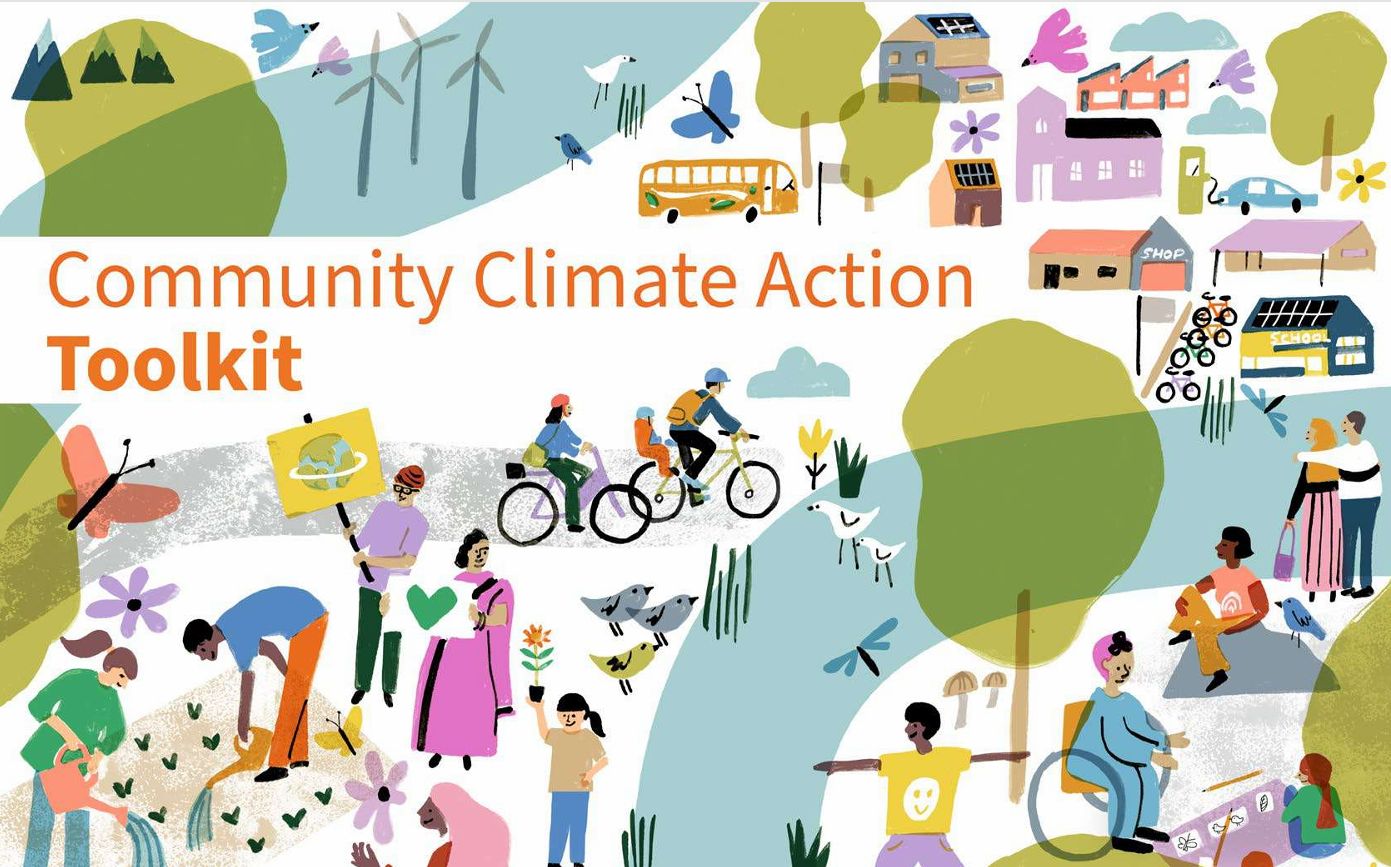
Community Climate Action Toolkit. Transition Network International.
Many toolkits guide communities and other stakeholders on the practicalities of sustainable land management and land restoration. Resources tend to focus on action-oriented techniques and practices, covering, for example, planting and growing trees, rewilding, agroecological farming, and biodiversity monitoring. Sometimes, this support is offered through detailed, step-by-step guides for communities seeking to engage in environmental and climate action. For instance, Rewilding Britain offers resources and ‘practical guidance for rewilders’, including effective pathways for ecology, measuring and monitoring, and land management. The ‘Community Climate Action Toolkit’, developed by Transition Network International, provides tools and guidance for communities to set up and develop a climate action group.
Some organisations aim to support the uptake of technical knowledge by community and volunteer groups, including facilitating citizen science. This includes open-source databases, tools, and supporting frameworks to help inform and support community-based environmental action and planning. For instance, Plantlife’s learning resources are designed to support stakeholders in managing woodlands for species protection and recovery, including species identification guides, a database of plants and fungi, and a ‘rapid rainforest assessment’ tool to assess the condition of the UK’s temperate rainforest. Another example is NatureScot’s Community-led Marine Biodiversity Monitoring Project. Through a handbook, it aims to develop community skills in marine biodiversity survey planning, fieldwork, and data management, including technical, methodological, and operational guidance, for instance, with the use of monitoring technologies. Additionally, Shared Assets aims to build a shared evidence base for common land governance through an online research library.
A significant number of toolkits include other types of technical knowledge, such as legal and policy assistance. Many organisations seek to help communities access funding. This support responds to a context in which a prominent barrier to community-based landscape restoration concerns the limited capacities and resources of communities to meet the complex, time-intensive administrative and funding requirements of land reform. In response, some organisations such as Community Land Scotland have developed support to help communities navigate changing policy and funding landscapes, including guides and primers for communities to acquire land or apply for funding. For instance, Social Farms & Gardens has introduced a ‘Community Land Advisory Service’ which underscores the importance of land access for facilitating community-led growing projects and provides advice on finding land to start a project, gaining planning permission, and the process of transferring land ownership.
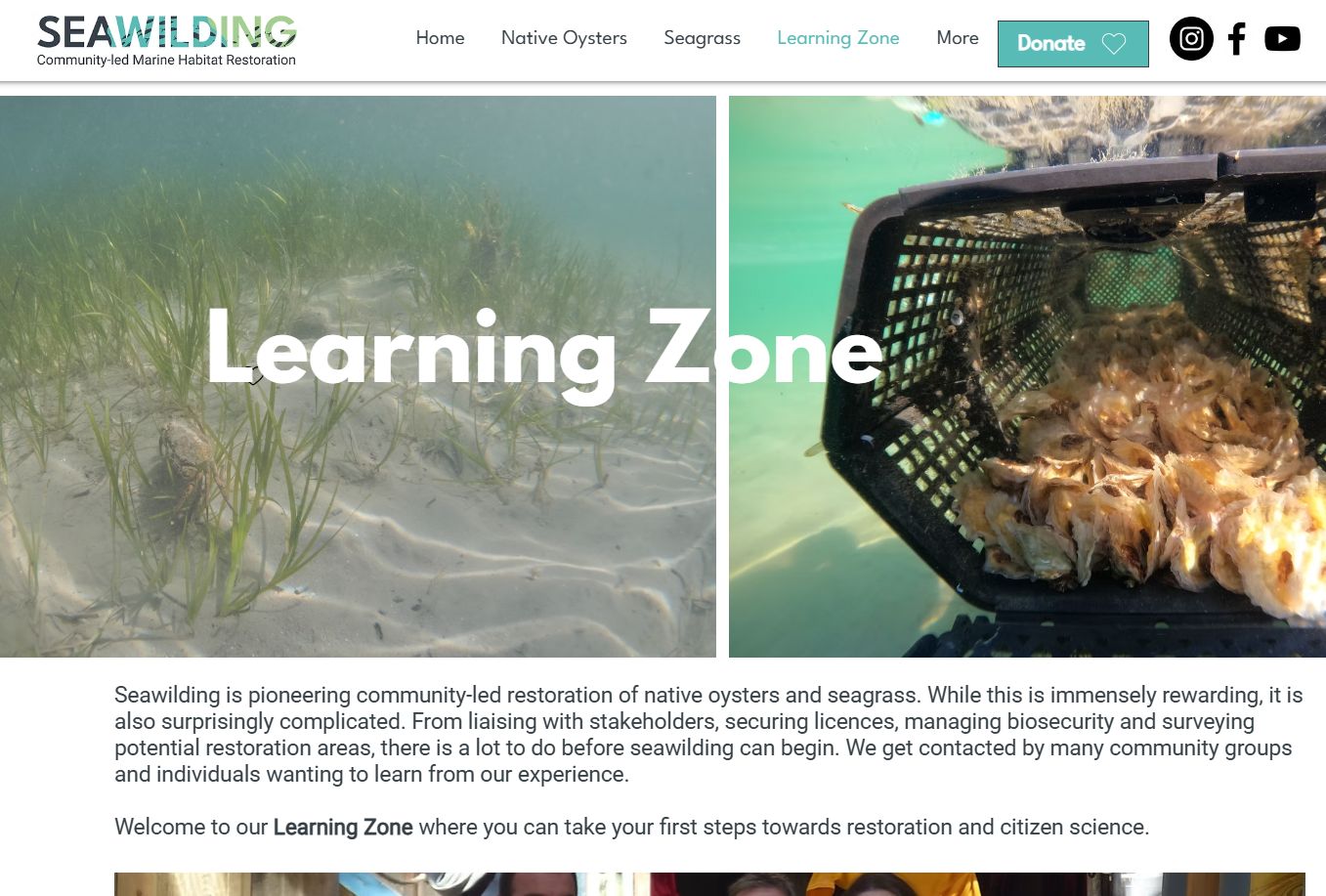
Learning Zone. Seawilding.
Moreover, toolkits include educational and learning resources, sometimes to inform community-based restoration activities directly. A notable example is the learning zone developed by Seawilding, a community-based native oyster and seagrass restoration project. This tool supports marine-based citizen science and community action to restore the marine environment through instructional videos, step-by-step guides, and open-access handbooks, including advice on community-based monitoring.
Elsewhere, learning resources aim to improve understanding and raise public awareness of biodiversity and climate issues, as well as restoration approaches and practices, including climate resilience, rewilding, and food systems. For example, through its introductory online course, Rewilding Europe aims to improve public understanding of the science and practices of rewilding and address what the organisation perceives as misconceptions about rewilding.
On a community level, Deeside Climate Action Network (DEECAN) seeks to build climate literacy among Deeside residents by sharing information, guidance, and resources on environmental and climate topics such as reducing carbon footprints, waste reduction, and garden biodiversity. Learning initiatives also sometimes involve supplying educational resources on environmental topics to schools. For instance, Community of Arran Seabed Trust (COAST) provides a resource pack on marine education and marine restoration for primary schools, comprising teachers’ notes, activity sheets, videos, and presentation slides.

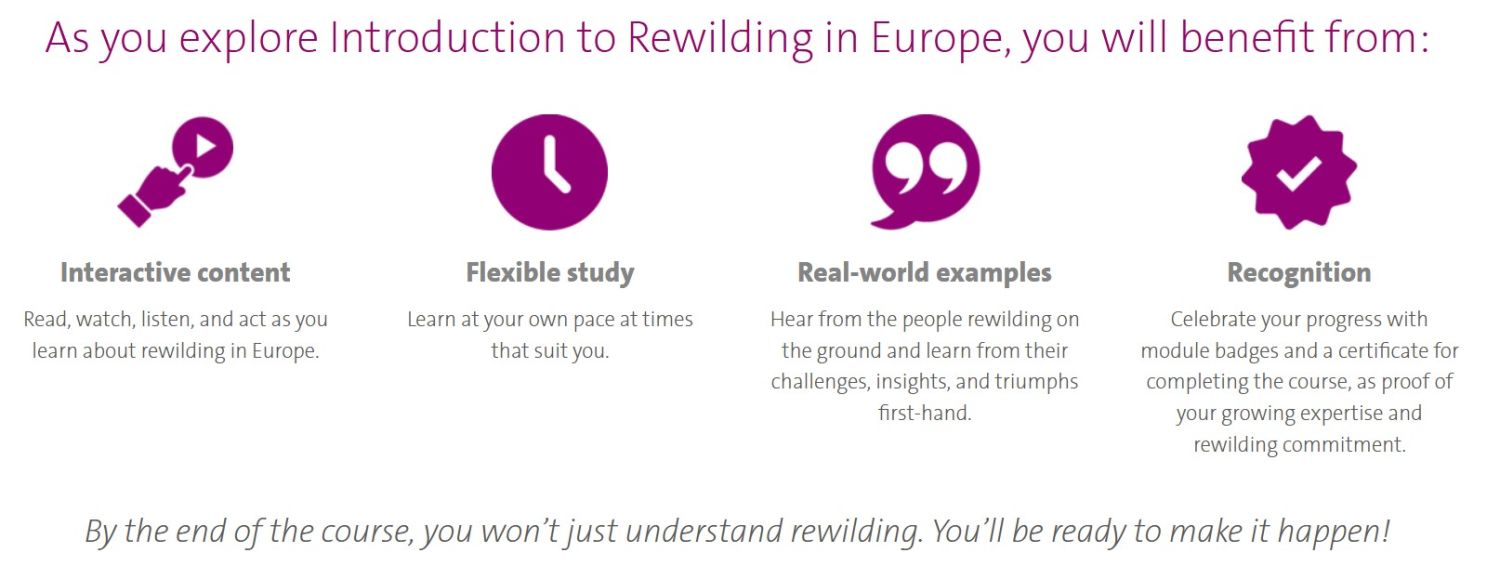
Online Rewilding Course. Rewilding Europe.
Some of the toolkits identified are more targeted to building the skills and capacities of communities and community-based organisations, including developing skills for community-led working, effective organisational management, and partnerships, such as the Development Trust Association Scotland. Through developing an evidence-based approach to climate change adaptation, Highland Adapts outlines its role in facilitating shared adaptation planning among communities and ultimately to ‘enable communities to increase control over their ability to adapt to and mitigate climate change’.
In theory, enhancing communities’ knowledge and skills puts them in a stronger position to effectively take on, lead, and benefit from environmental and climate action. However, it is worth reflecting on the unequal power relations at play with the development of toolkits. Some organisations that are more community-embedded or conduct their own research could identify community needs based on their findings. Toolkit developers could also make assumptions about communities’ knowledge and skills deficits that they hope to fill. This is an aspect of community-based toolkits which requires further investigation.
For some organisations, toolkits include frameworks that guide community groups and other stakeholders on ‘good practices’, for instance in land management or organisational governance. As Scotland’s land reform policies shift toward ‘responsible’ forms of land governance, more guidance is becoming available for landowners and land managers on community engagement and community benefits. Notably, the Scottish Land Commission has developed protocols on land rights and responsibilities, including community engagement and benefits route maps. Meanwhile, Community Land Scotland shares good practices for communities on land ownership and management, community wealth building, and collaboration with project developers and landowners.
As the importance of demonstrating community engagement in restoration grows, some toolkits target restoration practitioners and project leaders, helping them build the knowledge and skills needed for high-quality engagement in their initiatives and plans. For instance, the Endangered Landscapes and Seascapes Programme (ELSP) offers restoration professionals and practitioners tools for partnership-building, stakeholder analysis, and community engagement. Meanwhile, BirdLife International provides guidance to European restoration practitioners and project developers on fostering inclusive community engagement and ensuring that local voices are heard.
2) Who are the key actors in the design and use of toolkits?
The key actors in the design of toolkits are primarily supporting organisations across climate action, conservation, rewilding, community land, and regenerative farming. Alongside governmental bodies such as NatureScot and the Scottish Land Commission, and conservation programs with work focused on community engagement and benefits, most supporting organisations are part of the third sector, where their remit includes providing guidance, support, and facilitation to communities.
The communities targeted by the toolkits include both communities of place and of practice, and some organisations focus on specific groups, such as farmers or woodland groups, based on their remits. For example, Propagate Scotland shares knowledge about regenerative farming, permaculture, and cultivating a local food system for aspiring market gardeners, farmers, and community food growers. Other toolkits, such as Playbook for the Pyrocene, provide landscape design strategies for designing with fire landscapes. Toolkits are largely directed toward community-based organisations, such as environmental and climate action groups, voluntary groups, and development trusts. Some toolkits in this review target a diverse set of stakeholders, extending beyond communities and community groups to connect with other relevant actors, including land managers, project developers, local authorities, and businesses.
On some occasions, access to toolkits and courses depends on membership in an individual, community group, or voluntary organisation. For instance, Rewilding Europe uses a membership-based approach to deliver its courses and guidance on ‘best rewilding practices’ and methodologies. Meanwhile, the Landworkers’ Alliance’s resources aim to build the land-based skills and knowledge of union members, referring to a grassroots union of farmers, foresters, and other landworkers.
The toolkits identified in this review cover community groups at different stages of development, whether established, newly emerging, or aspiring. Broadly, organisations provide more support to the latter two. Resources are designed to help set up community-based organisations and projects, or support them in their early stages, for instance by organising community involvement and volunteer action, running a community space, and accessing funding.
Some online courses and training programmes explicitly target aspiring community groups and individuals interested in environmental and climate action who want to build knowledge and resources in the area (e.g., Transition Together, SMEEF). One example is the ‘coastal restoration toolkit’ developed by Restore America’s Estuaries. It shares educational information, resources, and practical guidance for community members on developing a restoration project from concept to proposal, including funding, permitting, and partner identification. While the programme was launched in 2020, it has since been paused, with the organisation hoping to reintroduce the initiative at a later date.
Other organisations provide guidance on topics relevant to groups at all stages, especially for those that are less established and experienced. For instance, the Community Woodlands Association provides information and resources across varied domains, including setting up community woodlands, alongside guidance on governance, funding and management plans. We highlight this example because it illustrates the breadth of available support. While many toolkit components support community groups at their initial stages, there may be a gap in support or guidance for more established community-based organisations that encounter difficulties and barriers in sustaining their initiatives over a longer period.
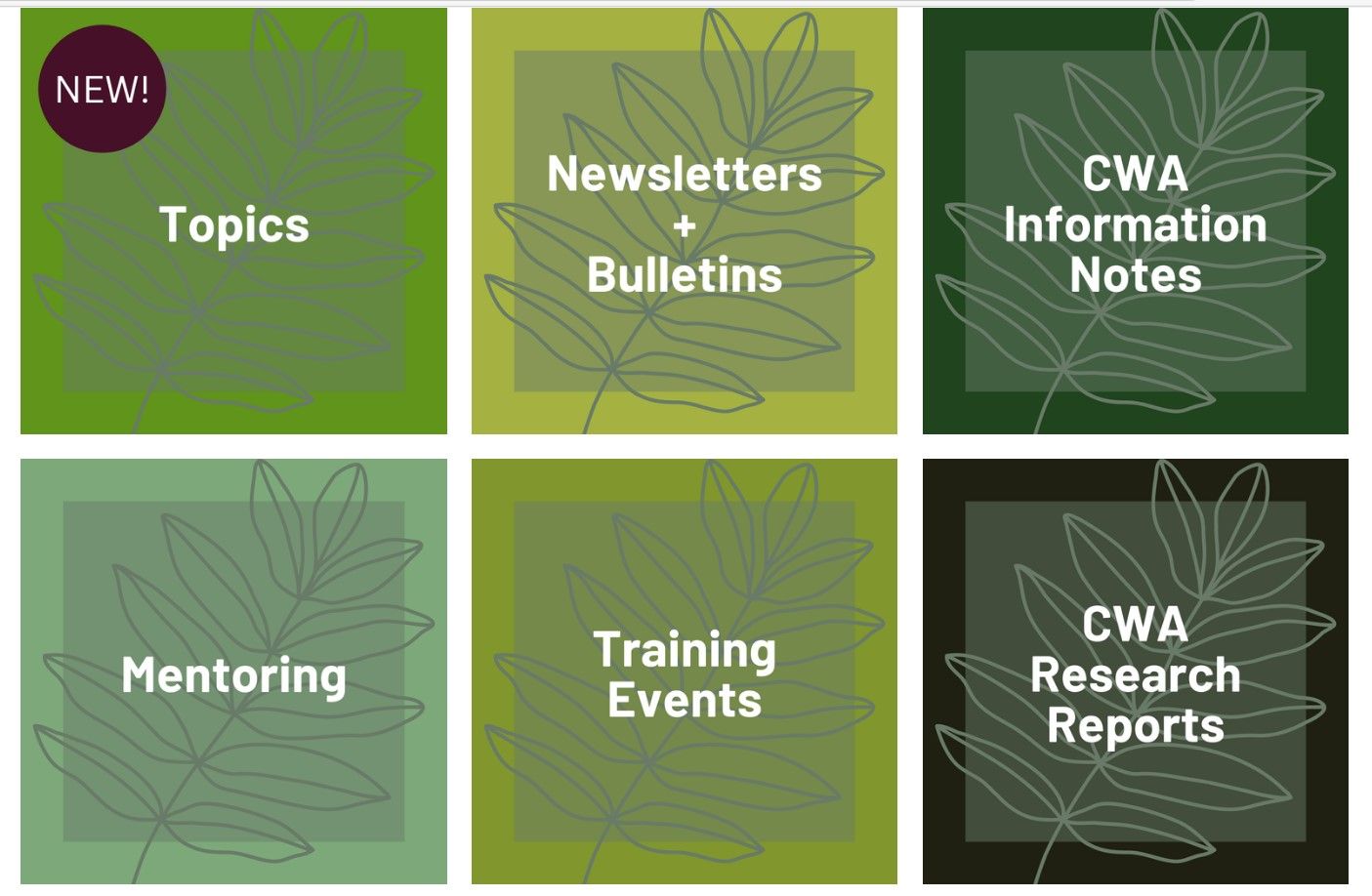
Resources and support for community woodland groups. Community Woodlands Association.
While most toolkits aim to support community-based organisations and interested individuals, a small number specifically target ‘community leaders’ as a strategy for community engagement and as a way of initiating, developing and coordinating community environmental and climate action. These initiatives aim to train community leaders through skills and knowledge-building in community engagement, for instance, with guidance on facilitating climate workshops, as with the Highlands and Islands Climate Hub. For example, the Scottish Wildlife Trust’s online ‘Nextdoor Nature Pioneers Programme’ is directed toward skills-building for those looking to take ‘direct action for nature’, and offers the potential for leadership in community-based environmental action, including the capacity to organise and inspire others in the local area. Elsewhere, Scottish Communities Climate Action Network seeks to go beyond its network and to generate community interest and action on the climate, primarily through providing guidance and resources to ‘community leaders’ on techniques for communicating climate knowledge.
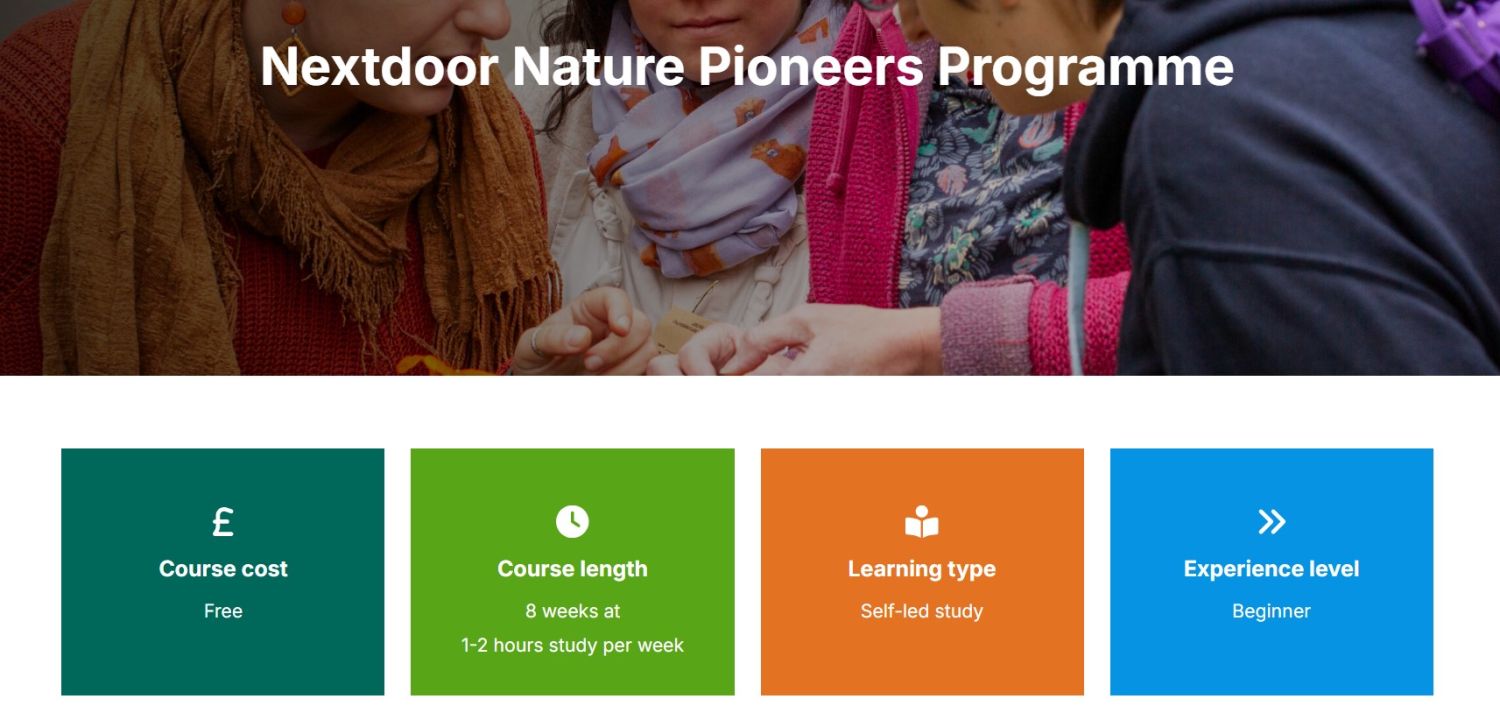
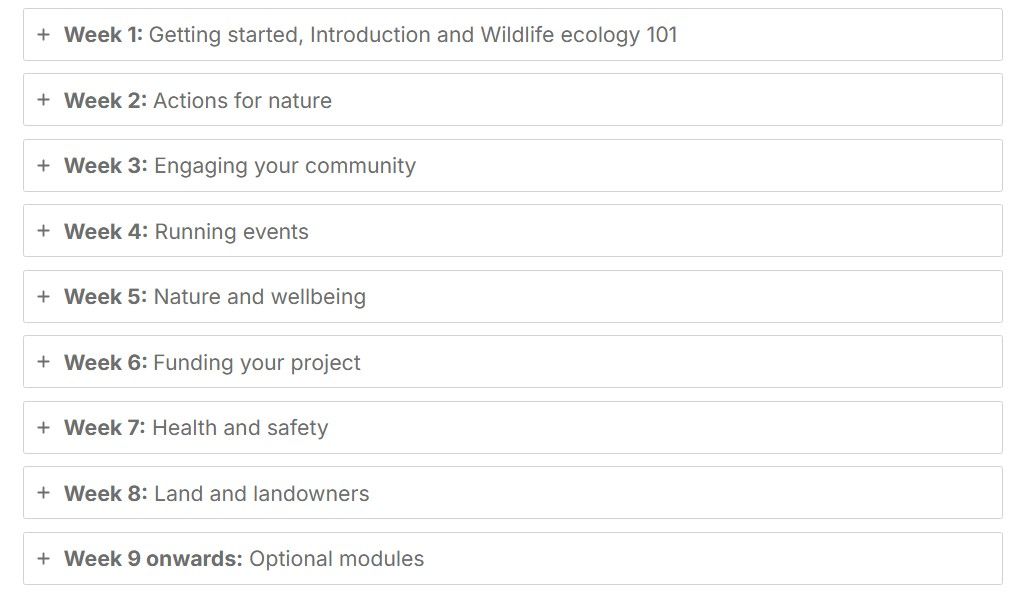
Nextdoor Nature Pioneers Programme. Scottish Wildlife Trust.
In a small number of the examples surveyed, community-led organisations are undertaking the design and development of the toolkits. These include community interest companies and social enterprises (e.g., Shared Assets), community trusts and community-led organisations (e.g., Community of Arran Seabed Trust), and networks or coalitions of community organisations (e.g., Transition Network International; Coastal Communities Network). This small number is noted here to indicate that, among the examples surveyed, only a limited set involved community-led design and development. As a locally grounded organisation, Community of Arran Seabed Trust primarily focuses on knowledge-building and awareness-raising among residents. Meanwhile, community network organisations focus on knowledge-building and knowledge-sharing across their networks of community-based organisations (e.g., Transition Network International).
3) How are network-building, collaboration and co-design integrated in toolkits?
Many of the toolkits identified in this review aim to facilitate network-building to some extent. Most commonly, organisational resources include directories and maps of members, for instance, of community woodlands, development trusts, or local food producers. These highlight community activities in a geographical area and encourage communication and collaboration among organisations working in similar areas. A few toolkits are built specifically for community network-building, most notably climate action networks. For instance, the North East Scotland Climate Action Network (NESCAN) is designed for a network of collaborating actors.
Alongside these networking aims, some toolkits also provide opportunities for peer-to-peer learning and knowledge exchange through online platforms, including forums, webinars and virtual discussion platforms. For instance, Community Land Scotland aims to facilitate knowledge exchange between community landowners through various channels. Transition Network International is a notable example. It aims to connect ‘Transition communities’ and hubs across the world for peer-to-peer learning and inspiration. It focuses on sharing ideas, learnings and experiences between communities and hubs worldwide. Through an online forum and social media platform (‘community waves’), it encourages knowledge-sharing among members and groups, particularly on just transitions and climate change. While drawing on a smaller, national network in Scotland, the Coastal Communities Network similarly focuses on knowledge-sharing among members and on facilitating the development of a shared, community-based vision.
Community Waves platform. Transition Network International.
Moreover, many toolkits indicate collaborative development of learning materials, training courses, and guidance. Toolkit designers may draw together resources and links from other relevant organisations as a common practice. In other cases, the design and production of toolkit components directly include contributions from other stakeholders and organisations. For instance, many of the training resources offered by Buglife have been co-developed by the Riverfly partnership and NatureScot. Toolkit developers often work with academic institutions, researchers, and practitioners to develop training materials or other resources. Rewilding Europe has made a rewilding toolkit available working in collaboration with conservationists, academics, scientists, and entrepreneurs.
The Scottish Land Commission draws on wide-ranging evidence and invites external stakeholder input when developing its protocols and tools. The Community Climate Adaptation Routemap is a prominent example of cross-organisational collaboration. Verture, a charity with place-based expertise, led production of the route map, including its core concepts and content, to guide communities in building resilience to climate change. Under the Adaptation Scotland programme, the route map also draws on contributions from a wide range of stakeholders, including regional climate hubs, the Development Trusts Association Scotland, and the Scottish Council for Voluntary Organisations, among others.
Community Climate Adaptation Routemap. Verture, as part of the Adaptation Scotland programme.
While there is evidence of collaboration among organisations and of organisations drawing on research and scientific expertise, direct community input into toolkits is less common. The toolkits are designed for communities, but rarely with them, reflecting a wider lack of community influence and power in managing the land. At times, community engagement processes, such as surveys and workshops, may inform the development of toolkit resources. Yet communities are not necessarily prominent in the toolkit itself. Local voices appear most commonly through examples and case studies. For instance, BirdLife International illustrates its framework for just and effective engagement in landscape regeneration through a series of European case studies. Similarly, in the ‘Community Rewilding Guide’, the Scottish Rewilding Alliance includes case studies and community voices to raise awareness of community-based landscape restoration and inspire other community groups to take action.
Rewilding: A Guide for Community Groups. Anna Lawrence and Charlotte Maddix, Scottish Rewilding Alliance.
A small number of toolkits show a more innovative engagement with community voices. For example, Propagate Scotland’s ‘voice of farmers’ podcast series draws out farmers’ experiences and perspectives on their plans, land management approaches, and biodiversity. Highland Adapts also developed The Highland Weather & Climate Story Map, a collaborative mapping tool that incorporates direct community input based on experiences of climate impacts across the region. Through consultancy and research, Shared Assets is co-creating a shared evidence base of common land governance to support community and land-based businesses as part of wider aims of land justice. As an ‘infrastructure organisation’, they work collaboratively, learn from and with community-based organisations and activists, and aim to facilitate collective learning.
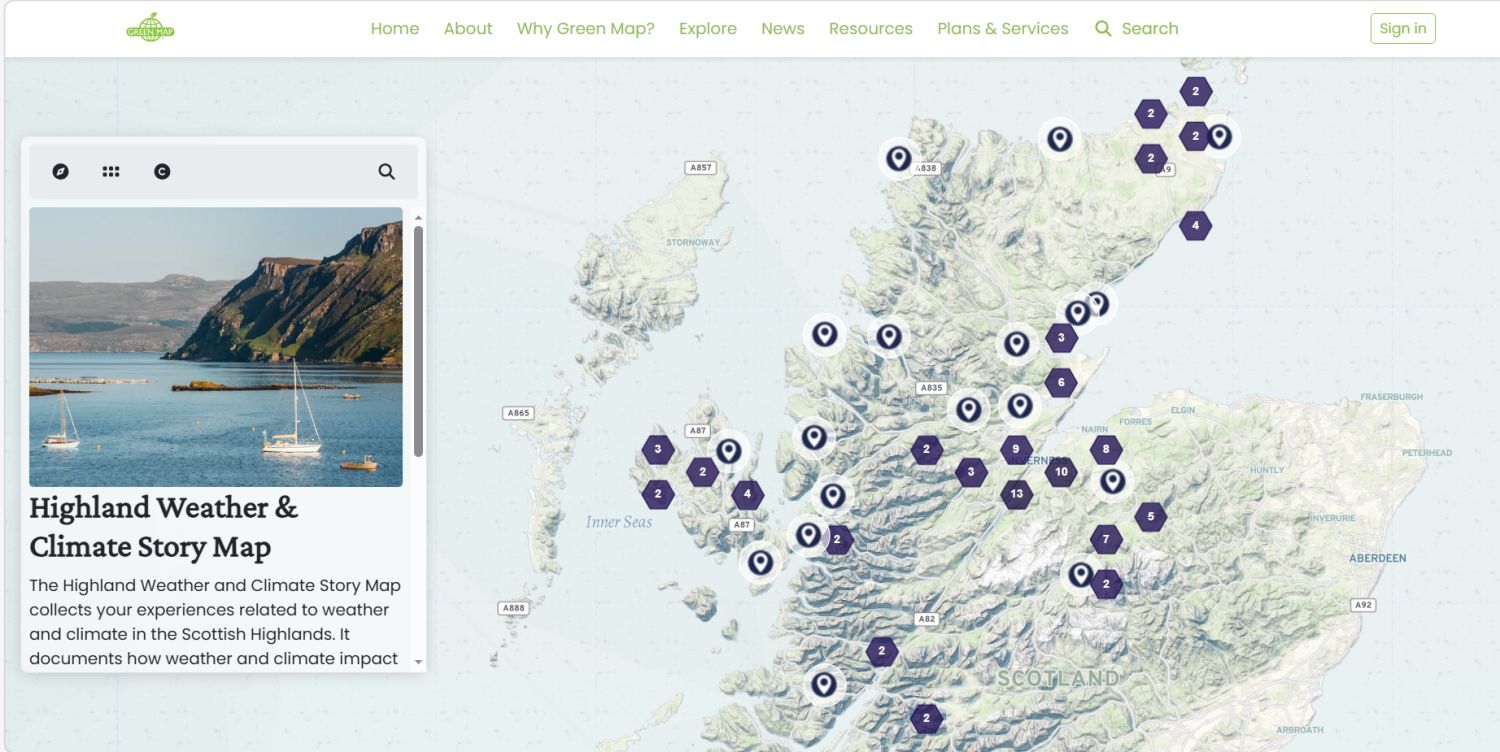
Highland Weather & Climate Story Map. Highland Adapts.
Some toolkits support organisations that facilitate co-design and community visioning. Most commonly, this means supporting community-led planning processes and providing primers to help communities create or co-create plans. The idea is that developing place plans gives communities a tangible output from engaging with the toolkit, which they can build upon. For instance, Local Energy Scotland offers guidance on the design and implementation of community-led local energy plans, directly linking the toolkit to plans that they hope will develop into community energy projects. Similarly, the Coastal Communities Network, a coalition of community-based groups and organisations, established a forum that directly supports the development of a shared, eco-social vision for community-led marine restoration in Scotland.
4) What are the effects and contributions (intended or actual) of the toolkits?
A common question is whether toolkits are effective in facilitating and realising change. Regarding the intended effects and contributions of the toolkits, many organisations point to their role in helping communities develop and become more resilient. Although specific objectives and intended users vary across organisational remits, the cross-cutting aim is for toolkits to help communities undertake practices and projects more effectively while building confidence and capacities. Toolkits can also guide communities and other stakeholders by recommending ‘good practices’ to adopt. They also aim to improve efficiency by helping users access resources, courses and other support under a single heading or as part of a distinct package.
The process of evaluating toolkit impacts is less well established. In our survey of toolkits and interviews, we found that organisations offering toolkits in this space do not tend to undertake formal evaluation or track contributions. Few tools or indicators are used for evaluation and monitoring, particularly for smaller and community-based organisations. This may reflect limited funding, project cycles and the varied compilation of toolkits. Interviewees said that, although they offered a range of resources, training and guidance to facilitate community-based landscape initiatives, they did not compile these into a single toolkit. They therefore had not developed indicators or an evaluation framework to assess impact. Different strands of toolkits may also be too varied to evaluate adequately. They may also be tied to specific projects and programmes with separate evaluation processes and, in some cases, reporting requirements to funders. As a result, the link between toolkit use and impact is often implied rather than measured.
Organisations sometimes assess toolkit impacts by monitoring membership numbers, event participation, or web views. At the same time, organisations invite users and members to provide qualitative feedback through both formal and informal mechanisms to inform toolkit development. This can involve surveying members to identify their resource and training needs, particularly at an early stage of toolkit development. Based on the feedback, organisations adapt toolkit style and content. For instance, they may make resources more tailored to specific user groups, or adjust toolkit formats based on emerging technologies. For organisations like the Scottish Land Commission, with a wider public remit, a ‘Good Practice Advisory Group’ brings together a network of stakeholders and adjacent organisations to refine protocols and guidance for responsible land ownership.
Our toolkit review indicates that evaluation frameworks could further assess intended transformations, contributions, and impacts, and whether these are realised. This resource could help track toolkit resources and practices over time, including whether and how capacities and skills develop, and the wider effects they have. Rather than serving as an administrative exercise, evaluation could help hone and update toolkits over time, also in relation to changing environmental, social, political and economic conditions.
There are notable challenges with toolkit evaluation and tracking, including that the long-term objectives of toolkits, such as community empowerment or cultural change, are less tangible and difficult to measure or quantify. Nevertheless, tracking key indicators of toolkit contributions could inform future development and show the advantages and disadvantages of toolkits as a format. Better funding and project cycles for organisations, particularly third sector and community-based organisations, will support these toolkit evaluation frameworks.
Community and Environment Toolkit Reflections
The majority of toolkits evaluated in this review function as supporting infrastructure for community action on climate and landscape restoration, and for strengthening community development in contexts of limited powers and capacities. Organisations commonly aim for toolkits to help communities undertake practices and projects more effectively, build capacity and confidence, and provide a central place to access resources more efficiently. Toolkits are generally oriented toward newly emerging or aspiring community groups, with less support for more established community-based organisations. This matters, given our wider research findings identify key challenges to community-based organisations sustaining their initiatives and efforts.
In many cases, toolkit development aims to facilitate network-building and peer-to-peer learning, addressing the limited capacities and influence of community groups. While there is evidence of collaborative toolkit development across supporting organisations and some support for co-design processes, we find little direct community input into toolkits. They are typically designed for communities but rarely with them, even among organisations centred on providing community support. This highlights the need to consider the power relations embedded in toolkits and whether the resources, tools, and knowledge provided address community needs.
Our review finds that evaluating toolkit impacts is not well established. Organisations do not tend to undertake formal evaluation or specific tracking of toolkit contributions, due in part to limited funding, project cycles, and the compilation of toolkits. We suggest that evaluation frameworks could help organisations assess intended contributions and track impacts over time. This will be challenging and will require wider support, including enhanced and reformed funding and project cycles.
Community and Environment Toolkits
Land ownership & control
Community land control
-
Community Land Scotland
- Toolkit objectives
- Supporting community landowners, facilitating networking and knowledge exchange.
- Toolkit content
- Online hub with policy guidance, reports, information sheets, webinars, case studies providing guidance for community landowners climate and biodiversity, policies and good practices.
- Intended Users
- Community landowners (Scotland)
-
Community Woodlands Association
- Toolkit objectives
- Supporting the development of community woodland groups through access to resources and training.
- Toolkit content
- Research reports, information sheets, templates and training webinars, certification through rural colleges, with a focus on establishing community woodlands, governance, right-to-buy and community consultation.
- Intended Users
- Community woodland groups (Scotland)
-
Fire Smart Community Pilot Playbook
- Toolkit objectives
- Creating fire-ready communities in the through land management and mitigation.
- Toolkit content
- Guidance, tools, and resources to make environments more fire-ready, along with documentation of pilot projects.
- Intended Users
- Community groups, local government, community associations (Western US)
-
Landworkers’ Alliance
- Toolkit objectives
- Increasing land-based skills and knowledge of union members (grassroots union of farmers, foresters and land-based workers), while building networks.
- Toolkit content
- Formal and informal training, research reports and outputs, guides, online resources and forum, focusing on agroecological farming, land management, union organising, campaigning and lobbying.
- Intended Users
- Farmers, foresters, land-based workers (UK)
-
Playbook for the Pyrocene
- Toolkit objectives
- Practical guide for wildfire-adaptive design, spanning home hardening to wider landscape design and planning.
- Toolkit content
- Landscape design strategies for identifying, responding to, and reducing fire risk by mapping risk, fuel, terrain, and fire seasons, especially by developing community- and landscape-scale interventions.
- Intended Users
- Landscape designers, planners, land managers (Western US)
-
Scottish Land Commission
- Toolkit objectives
- Guiding land management practices to become more responsible and to provide greater levels of community benefits and community engagement.
- Toolkit content
- Protocols, FAQs, templates, webinar series and route maps for community engagement and benefits, community wealth building, responsible natural capital and carbon management.
- Intended Users
- Landowners, land managers, communities (Scotland)
-
Social Farms & Gardens
- Toolkit objectives
- Supporting communities to farm and garden, and organisations to offer nature-based community activities.
- Toolkit content
- Webinars, conferences, guides, templates, project reports, ‘Community Land Advisory Service’ and online forums, covering farm tenancies, policy, funding, access to land and climate-friendly community growing.
- Intended Users
- Communities, supporting organisations (UK)
Social, ecological & economic benefits
Social, ecological and economic benefits
-
Community Energy Scotland
- Toolkit objectives
- Supporting and guiding communities on community energy and community benefits from energy.
- Toolkit content
- Research reports, webinar series, online resources, online peer-to-peer learning providing guidance on generating energy, shared ownership and funding pathways.
- Intended Users
- Communities (Scotland)
-
Greenspace Scotland
- Toolkit objectives
- Supporting local people to access high-quality green spaces, supporting community food growing initiatives.
- Toolkit content
- Research reports, statistics, case studies, links to funding sources, frameworks and a national green space map, focusing on green space standards, climate change adaptation, and community food-growing.
- Intended Users
- Communities, wider public (Scotland)
-
Local Energy Scotland (‘CARES Toolkit Collections’)
- Toolkit objectives
- Supporting community groups to engage with, participate in and benefit from the energy transition, and the establishment and development of local energy projects.
- Toolkit content
- Primers, step-by-step guides, case study projects, checklists, examples, templates and route maps for community-led energy project plans, development and benefits.
- Intended Users
- Community groups (Scotland)
-
Nourish Scotland
- Toolkit objectives
- Supporting the development of community food projects and local food production.
- Toolkit content
- Reports, step-by-step guides, online resources, templates for group exercises, map of local food producers, agroecology webinar and podcast series, providing practical knowledge on food growing and volunteer management.
- Intended Users
- Community food producers, small-scale farmers (Scotland)
-
Propagate Scotland
- Toolkit objectives
- Supporting the development of local, community and sustainable food projects.
- Toolkit content
- Accredited courses and educational resources, ‘voices of farmers’ series, online resources, templates and research reports, covering regenerative farming, permaculture and growing local food systems.
- Intended Users
- Community food producers, small-scale farmers, adjacent organisations (Scotland)
-
The Scottish Rewilding Alliance (‘Rewilding: a guide for community groups’)
- Toolkit objectives
- Supporting the initiation and development of community rewilding projects, raising awareness of community-based landscape restoration, inspiring other community groups.
- Toolkit content
- Case-study success stories, supplementary online resources, glossary, information sheets and community advice for guiding ‘community rewilding projects’ through connecting, organising, communicating, monitoring and citizen science.
- Intended Users
- Community groups involved in rewilding, current and aspiring (Scotland)
Community capacities
Expanding community capacities
-
Buglife
- Toolkit objectives
- Enhancing knowledge on the invertebrate conservation, including citizen science approaches (e.g., ‘Guardians of Our Rivers’ project).
- Toolkit content
- Covering invertebrate conservation organised by invertebrate conservation resource hubs, including training resources, webinars, surveys, reports, GIS data repository and citizen science support for mapping ‘Important Invertebrate Areas’.
- Intended Users
- Community and citizen science groups, practitioners, farmers, landowners, land managers (UK)
-
Coastal Communities Network
- Toolkit objectives
- Supporting community-based action to protect and restore marine and coastal biodiversity, building capacity for community participation and leadership in marine management, and developing a shared, community vision.
- Toolkit content
- Document library with information sheets, case studies, reports, templates, newsletter, stakeholder mapping guide and online resources, covering community-based marine restoration across fundraising, vision-building and regulations.
- Intended Users
- Community-based organisations (Scotland)
-
Community of Arran Seabed Trust (COAST)
- Toolkit objectives
- Supporting knowledge and skills building around the marine environment and marine restoration for primary school pupils.
- Toolkit content
- Marine Education Resource Pack for primary schools. Educational materials relating to both ecological science and social science on the marine environment, including teachers’ notes, activity sheets and videos.
- Intended Users
- Educators (UK)
-
Deeside Climate Action Network
- Toolkit objectives
- Raising awareness and knowledge-building on climate and biodiversity issues in the Deeside area.
- Toolkit content
- Website with local guides and online resources on topics including biodiversity, waste reduction and climate resilience.
- Intended Users
- Local residents (Deeside area, Scotland)
-
Development Trust Association Scotland
- Toolkit objectives
- Assisting communities to set up development trusts, supporting community-led working and partnership activity, building organisational capacity, facilitating networking and collaboration between communities.
- Toolkit content
- Development trust toolkits with start-up templates and guidance, community ownership support service, programme for democratic finance models, including finance and investment training, research and frameworks on best practice.
- Intended Users
- Development trusts, current and aspirational (Scotland)
-
Endangered Landscapes & Seascapes Programme (ELSP)
- Toolkit objectives
- Supporting practitioners and professionals with guidance and practical tools about landscape-scale restoration.
- Toolkit content
- Case studies and supporting materials on case study landscapes, articles, scientific reports, surveys, templates and online courses, focusing on landscape-scale restoration.
- Intended Users
- Practitioners, project developers (EU)
-
Environmental Rights Centre Scotland
- Toolkit objectives
- Supporting individuals and communities to use their environmental rights through awareness-raising, increasing access to justice and holding polluters to account.
- Toolkit content
- Briefings, case studies on lived experiences, films, webinars, reports and newsletters providing guidance environmental rights, laws and policies.
- Intended Users
- Individuals, communities (Scotland)
-
Highland Adapts
- Toolkit objectives
- To develop a strong evidence base on climate change adaptation, to facilitate collaboration and shared adaptation planning, and to enable communities to increase control over their ability to adapt to and mitigate climate change.
- Toolkit content
- Publications and reports, adaptation route map, online resources, collaborative mapping tool (‘The Highland Weather & Climate Story Map’) for people to share their experiences of climate impacts and to guide climate change adaptation.
- Intended Users
- Communities, public sector, businesses, land managers (Scottish Highlands)
-
Highlands and Islands Climate Hub
- Toolkit objectives
- Supporting climate action groups to develop, train, access funds and to expand networks.
- Toolkit content
- Policy templates, route map, case studies, webinars, network maps, directories and mapping tool to provide guidance for climate action plans and support local place development.
- Intended Users
- Climate action groups, facilitators of climate workshops (Highlands and Islands region, Scotland)
-
NatureScot (‘Community-led Marine Biodiversity Monitoring Project’)
- Toolkit objectives
- Aiming to improve survey skills and increase the knowledge base within communities working on marine biodiversity, and supporting community-led survey planning, fieldwork and data management.
- Toolkit content
- How-to guide for community-led marine biodiversity survey and monitoring, including detailed technical, methodological and operational guidance. Virtual Training Tool to help volunteers practice their survey skills of marine footage.
- Intended Users
- Communities, environmental action groups (Scotland)
-
North East Scotland Climate Action Network (NESCAN) Hub
- Toolkit objectives
- Supporting climate action groups to develop, train, access funds and to expand networks.
- Toolkit content
- Guides, articles, reports, case studies, webinars, online resources and member network mapping to support climate mitigation and adaptation.
- Intended Users
- Climate action groups, community development practitioners (North East Scotland)
-
Plantlife
- Toolkit objectives
- Improving understanding of woodland management for species protection and recovery.
- Toolkit content
- Management and identification guides, database of plants and fungi, practical guidance and learning resources on managing woodlands for species protection and recovery, and Rapid Rainforest Assessment for assessing the condition of the UK’s temperate rainforest.
- Intended Users
- Woodland managers, landowners, communities (UK)
-
Scottish Communities Climate Action Network
- Toolkit objectives
- Supporting community-led climate action, developing community skills, capacities and knowledge-building around climate change.
- Toolkit content
- Accredited training course and materials, research data, guides to community action, online resources, funding database, peer-to-peer networking platform and environmental organisations directory, focusing on climate change and community engagement.
- Intended Users
- Community leaders (Scotland)
-
Scottish Council for Voluntary Organisations
- Toolkit objectives
- Supporting the setting up, capacity building and running of voluntary organisations.
- Toolkit content
- Policy models, templates, webinars, e-learning platform, handbook on running community spaces to facilitate organisation, digital skills, legal requirements and practical skills required for voluntary organisations.
- Intended Users
- Voluntary organisations, current and aspirational (Scotland)
-
Scottish Marine Environmental Enhancement Fund (SMEEF) (‘Restoration Toolkit’)
- Toolkit objectives
- Supporting the establishment and development of marine and coastal restoration projects.
- Toolkit content
- Primers, case studies and resource checklists covering five main topics: restoration and enhancement, permissions, monitoring, funding and engagement.
- Intended Users
- Marine/coastal restoration projects, current and aspiring (Scotland)
-
Seawilding
- Toolkit objectives
- Mentoring and empowering community-based organisations to undertake native oyster and seagrass restoration.
- Toolkit content
- A learning zone for restoration and citizen science, including includes instructional videos, step-by-step guides, scientific papers, research reports, open access handbooks and school education program.
- Intended Users
- Community-based groups (Loch Craignish, across Scotland)
-
Voluntary Action in Badenoch & Strathspey
- Toolkit objectives
- Supporting the development of third-sector organisations, including social enterprises, community and voluntary groups.
- Toolkit content
- How-to guides, policy and procedure templates and online resources providing guidance on volunteering, organisational support, social enterprise, community engagement and planning.
- Intended Users
- Community groups and organisations (Badenoch and Strathspey area, Scotland)
-
Wiltshire Council (‘Community Environmental Toolkit’)
- Toolkit objectives
- Enhancing knowledge about the local environment and supporting the development and implementation of community environmental plans.
- Toolkit content
- Information sheets, guidance, case studies, online resources for understanding local environmental issues, surveying the local environment and implementation of community plans.
- Intended Users
- Community groups, landowners, Councils, educators, youth groups (Wiltshire, England)
-
WWF Scotland
- Toolkit objectives
- Knowledge-building about environments and practices for responding to ecological crises.
- Toolkit content
- Podcast series, case studies, information sheets, reports and educational resources on topics including climate change, rewilding and food systems.
- Intended Users
- Communities, schools, wider public (Scotland)
Community voice & engagement
Enhancing community engagement
-
BirdLife International (‘Just and Effective Engagement in Landscape Restoration (Europe)’)
- Toolkit objectives
- Supporting restoration practitioners to foster inclusive engagement processes and ensure that local voices are heard.
- Toolkit content
- Guidance document outlining barriers and enablers to just and effective stakeholder engagement, practical recommendations, online resources and European case studies and insights from workshops.
- Intended Users
- Practitioners, project developers, policymakers, communities (UK and EU)
-
Pyrolife Toolkit
- Toolkit objectives
- Wildfire risk communication toolkit focused on engaging communities in local contexts.
- Toolkit content
- Wildfire risk communication overview, methods, and recommendations.
- Intended Users
- Community facilitators, rural development workers, environmental educators (Mediterranean EU)
-
Restoration Partnership Development Toolkit
- Toolkit objectives
- Enhancing understandings of different stakeholder perspectives, facilitating dialogue and identifying areas of agreement and disagreement.
- Toolkit content
- Three interlinked apps, including: 1) survey-generator app for designing a Likert statement-based survey; 2) app for stakeholders to complete the survey; 3) analysis app for analysing and interpreting survey results. Guidance manual and support videos, example surveys, template slides for workshops.
- Intended Users
- Practitioners, project leaders (UK)
-
Restore America’s Estuaries (‘Coastal Restoration Toolkit’)
- Toolkit objectives
- Supporting community members on developing a coastal restoration project from concept to proposal.
- Toolkit content
- Step-by-step guides to project development, project examples, partner contact directories, funding databases and online resources, covering guidance on funding, network-building and identifying partners.
- Intended Users
- Communities (US)
-
Rewilding Britain
- Toolkit objectives
- Building practical knowledge of rewilding among interested parties, network-building.
- Toolkit content
- Step-by-step guides, practical tips, webinars, a trial Rewilding Monitoring Framework, rewilding project directory and online discussion forum covering land management, ecology, legislation and regulation, measuring and monitoring.
- Intended Users
- Individuals, communities, landowners, land managers (UK)
-
Rewilding Europe (‘Rewilding Toolkit’)
- Toolkit objectives
- Supporting knowledge-sharing and collaboration among members, facilitating rewilding best practices and methodologies, raising awareness of rewilding science and practicalities among wider publics.
- Toolkit content
- Practical guides, factsheets, scientific reports, training, seminars and an online discussion platform for rewilding knowledge-sharing among members. Toolkit components that are publicly available include a certified online introductory rewilding course, guidance notes, webinar series and annual reports.
- Intended Users
- Practitioners, project developers (EU)
-
Scottish Wildlife Trust (‘Nextdoor Nature Pioneers Programme’)
- Toolkit objectives
- Supporting individuals and communities to ‘organise positive actions for nature’.
- Toolkit content
- Nextdoor Nature Pioneers Programme: 8-week online training course covering topics on community engagement, wildlife management, landownership and accessing funding.
- Intended Users
- Individuals interested in nature-based action in their communities (Scotland, part of a UK-wide initiative)
-
The Conservation Volunteers (TCV)
- Toolkit objectives
- Supporting conservation volunteer work and facilitating community engagement with conservation.
- Toolkit content
- How-to videos, monthly newsletter, community network directory and online conservation handbooks to build knowledge on community group organisation and conservation.
- Intended Users
- Volunteers, communities (UK)
-
Verture
- Toolkit objectives
- Supporting communities to engage in local climate action, build skills and capacity, and co-develop locally led responses to climate change.
- Toolkit content
- Workshops, webinars, specialist advice, research reports, case studies and resources, including school lesson plans, providing guidance on climate resilience, nature restoration, climate risk and green transitions.
- Intended Users
- Community groups, community leaders, interested parties, public sector, business, third sector organisations (Scotland)
-
Woodland Trust
- Toolkit objectives
- Enhancing knowledge on woodland protection and restoration (especially native woodlands) in the UK.
- Toolkit content
- Species identification guide and app on tree and plant ecology, ancient tree inventory and map, how-to guides for communities seeking to engage in woodland action, including woodland protection and planting, community action and citizen science.
- Intended Users
- Communities, landowners, farmers, wider public (UK)
Democratic & ecological renewal
Democratic and ecological renewal
-
California’s Community Wildfire Resilience Roadmap
- Toolkit objectives
- Creating fire-adapted communities by developing landscape-scale and multi-sectoral approaches to fire risks.
- Toolkit content
- Community wildfire resilience framework; objectives for the built environment, landscape, and community leadership.
- Intended Users
- Regional and local government, supporting organisations, land managers, communities (California, US)
-
Transformative Actions for Community-Led Disaster Resilience
- Toolkit objectives
- Community-led disaster resilience guidelines, focusing on community knowledge, skills and experience.
- Toolkit content
- Recommended actions and pathways for implementing and facilitating community leadership in disaster resilience, working toward transformative governance.
- Intended Users
- Local, regional and national governments, community groups, supporting organisations (Australia)
-
Shared Assets
- Toolkit objectives
- Supporting the practical creation of new business and governance models for land, building a shared evidence base of common land governance.
- Toolkit content
- Online research library for communicating research findings, articles, blogs, podcasts, reports and case studies covering a range of land-based topics.
- Intended Users
- Activists and organisations working for justice in the land system (UK)
-
Transition Network International
- Toolkit objectives
- Supporting the initiation and development of local Transition groups, connecting communities and hubs around the world, and facilitating mutual learning.
- Toolkit content
- Primers, project templates, webinar series, online courses, and a forum for knowledge sharing, covering topics on justice transitions and community action. Community Climate Action Toolkit that includes practical resources on setting up and developing a climate change action group.
- Intended Users
- Transition groups, current and aspiring (International)
-
Transition Together
- Toolkit objectives
- Supporting Transition community groups to organise and connect, while expanding networks.
- Toolkit content
- Community Climate Action Toolkit, online training programmes templates, primers, handbooks, a step-by-step visioning guide for communities and peer-to-peer platform, covering social innovation, collaboration and fundraising.
- Intended Users
- Transition community groups, current and aspiring (England, Wales and Northern Ireland)