Landscape Regeneration Stories
As part of this Community-Based Landscape Regeneration Toolkit, we synthesise five stories to show how communities respond to challenges in restoration projects, the resources they use, and the good practices and concrete actions that can be drawn from these situated examples. Community engagement with landscape regeneration is multifaceted. Focused on the Cairngorms, this research has identified a wide array of initiatives that communities either lead, including through community-owned land, community-managed land, and development trusts, or engage with to varying degrees. The former category is confined to small pockets of land in the Cairngorms, reflecting land and power inequalities in Scotland, while the latter category highlights how the influence of communities on land-based decision-making is often lacking. Community-led projects and approaches focus on aspects such as recreation, woodland management, nature-based tourism, localised food production, and community wealth building. Sometimes, these initiatives closely incorporate aims to regenerate the land and address climate change and biodiversity loss. However, due to a number of factors discussed below, others engage with environmental change more peripherally.
Ecological restoration initiatives in the Cairngorms have been dominated by larger landholdings, whether this be rewilding practices at Glen Feshie (Wildland Ltd), large-scale tree-planting at Glen Prosen (Forestry and Land Scotland) or the landscape-scale Cairngorms Connect restoration partnership incorporating four neighbouring major landowners (RSPB, FLS, NatureScot, Wildland Ltd.). Elsewhere, ecological improvements are evident on larger NGO-owned tracts of land, for instance, wader habitat improvement at RSPB’s Insh Marshes, natural regeneration initiatives at Mar Lodge (National Trust for Scotland) and tree-planting and salmon revival by the River Dee Trust. Meanwhile, the Cairngorms National Park Authority (CNPA) is developing and delivering its five-year ‘Cairngorms 2030’ programme, alongside partners and communities. Comprising 20 projects that cover a range of nature and climate goals (e.g., species reintroductions, peatland restoration), the programme underpins the CNPA’s aims to become the UK’s first carbon-neutral National Park.
Our research has identified the wide-ranging and intersecting opportunities and barriers to community leadership and engagement in landscape regeneration in the Cairngorms. While we can draw on positive examples of community-based landscape regeneration, these initiatives are often limited in scope due to communities’ constrained capacities and resources. In the section below, in line with our key findings, we engage with five landscape regeneration stories that encompass land histories, current inhabitations, and hoped-for futures. This considers how communities fit into narratives and wider policy approaches to restoring nature, and how community-based approaches connect to, or are disconnected from, landscape-scale regeneration ambitions.
Land ownership & control
Landscape Regeneration Story 1: Transforming Land Ownership and Control through Community Woodlands
- Finding Restricted land ownership and control
- Aim Strengthen community land control
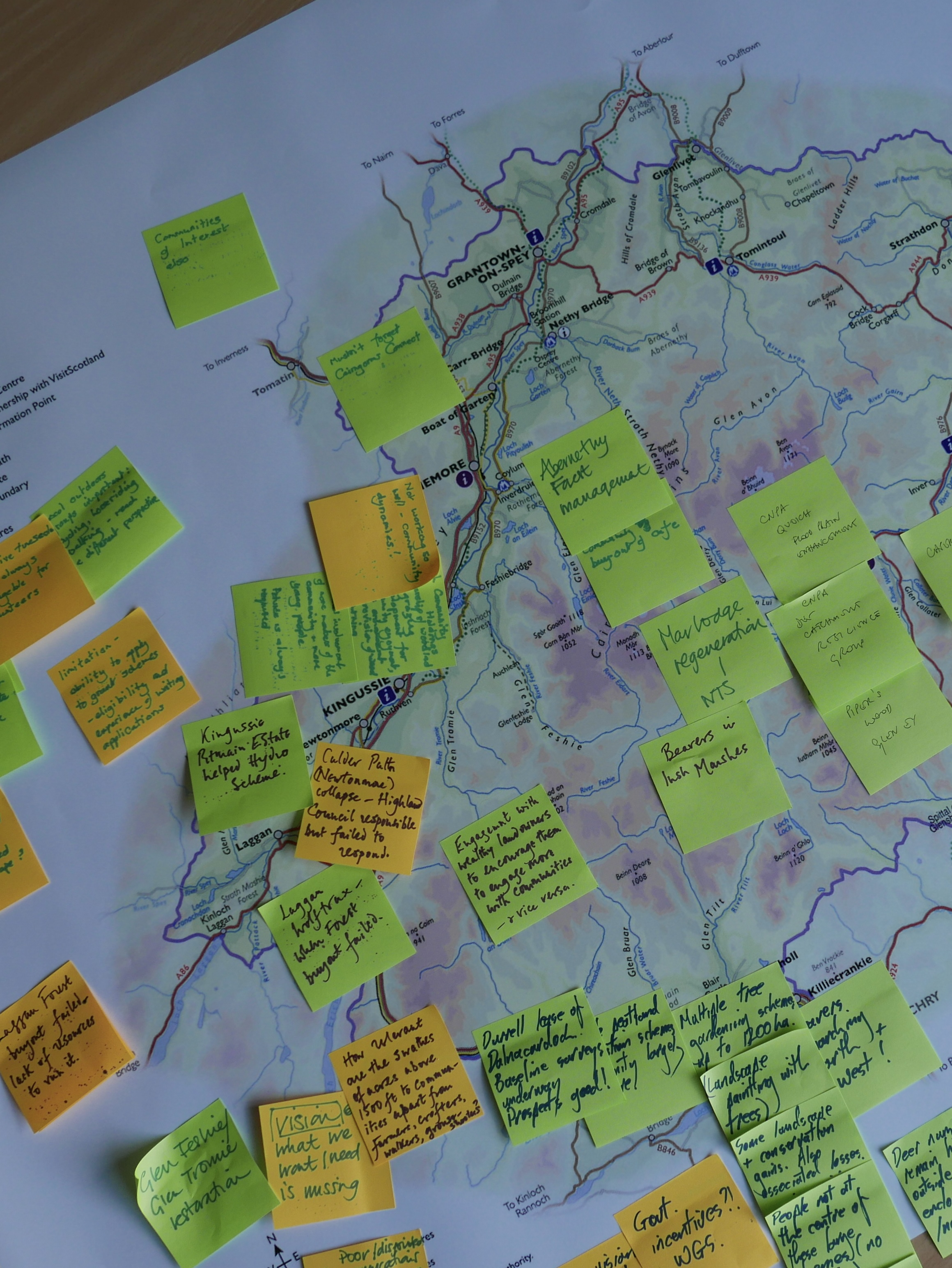
- Map See this theme on the map
Rural land ownership is becoming increasingly concentrated in Scotland, reinforced by the surge in land-based investments for natural capital and carbon markets.Wightman, Who Owns Scotland 2024; Robbie and Jokubauskaite. Carbon Markets, Public Interest and Landownership in Scotland. There is growing corporate investment into Scottish rural land based on natural capital and carbon markets and speculative private investments. Driven by environmental targets and financial incentives, there has been a growth in large-scale restoration initiatives in recent years. Largely, these are being established and led by private landowners, large environmental NGOs or public bodies where landowners and land managers work in partnership to achieve landscape-level restoration across multiple landholdings, such as Cairngorms Connect.Underwood et al., ‘Mainstreaming Large Scale Nature Restoration’. In this context, it is less clear how rural communities fit into the picture of landscape regeneration.
It is sometimes claimed that these concentrated patterns of land ownership can facilitate a more rapid rollout of nature restoration at scale. Yet the evidence has thus far provided a more mixed picture. While the Scottish government has increasingly sought to leverage private finance to deliver on nature and climate goals, recent economic research has highlighted the pitfalls of this approach.Wheatley and Macfarlane, Restoring Nature to Deliver a Just Transition to Net Zero. Notably, woodland planting and peatland restoration outcomes have consistently fallen short of annual targets. Landowners often have divergent interests and hold significant power over how land is used and managed, which may or may not align with biodiversity and climate targets, and can change when new landowners take possession. Many large-scale restoration initiatives in Scotland are supported by public subsidies for woodland planting and peatland restoration, yet the benefits are often captured by private landowners, select organisations and businesses rather than communities or the wider publics. In some instances, investors are buying up land in the name of nature restoration or carbon sequestration, then selling it soon after to ‘make a quick buck’.
Research by the Scottish Land Commission has demonstrated links between concentrated land ownership and adverse impacts on rural development and socio-economic conditions for communities, while skewing land-use decision-making powers.Glenn et al., Investigation into the Issues Associated with Large Scale and Concentrated Landownership in Scotland. In our research, we found that some research participants felt that land reform legislation is moving too slowly in reducing inequalities in land ownership in Scotland. Participants also identified more progressive rural planning systems in other European countries, such as Norway, as examples that specifically outline permissible land uses so as to address inequalities.
Due to vast land inequalities, landscape-level regeneration is dominated by larger estates. A notable example is Kinrara estate, where changing corporate ownership has yielded little evidence of either nature restoration or community benefits. The estate was previously bought up by Brewdog for regeneration and carbon offsetting purposes, when it was criticised for not offering local employment. The land has now been sold on to Oxygen Conservation, a company that has been buying up land across the UK for conservation under a natural capital model, including the Dorback estate in the Cairngorms, and that has been identified as having problematic forms of community engagement. Without careful governance, natural capital investments in the land could further concentrate land ownership in Scotland and thereby exacerbate land inequalities and the disempowerment of rural communities.McIntosh, The Cheviot, the Stag and the Black, Black Carbon. It is worth noting here that the ‘natural capital’ market has slowed down in more recent years, with waning confidence in the markets on demand for carbon and biodiversity credits.Merrell et al., Rural Land Market Insights Report 2024.
By contrast, community groups tend to operate at the local level on smaller, discrete projects involving small-scale planting on community-owned or managed land. Community organisations hold approximately 3 per cent of total land area (over 200,000 ha) in Scotland, including community woodlands and green spaces, alongside land that is managed by communities under lease or partnership arrangements. The 3 per cent of community-owned land is geographically concentrated in parts of Scotland, notably some of the large-scale landholdings are located in Na h-Eileanan Siar (the Western Isles) which incorporates 72 per cent of the total land area in community ownership (around 153,000 hectares). Meanwhile, many other parts of rural Scotland contain relatively small areas of community-owned land close to where people live, including in the Highland Council area.
Our research has highlighted a number of community-based projects and community-owned or managed land in the Cairngorms, generating a range of local benefits, including relating to nature restoration, wellbeing, recreation and community cohesion, and enhancing involvement of the community. These include community woodland groups, which have been supported by policy and growing in numbers in Scotland since the early 1990s. There are around 200 community woodland groups in Scotland today, made up of groups which own woodlands and those which manage woodlands based on lease or other types of partnership arrangements.Community Woodlands Association, ‘About’. Some of these community woodlands have been acquired through the ‘Community Right to Buy’ scheme,Scottish Government, ‘Community Rights to Buy’. established with the Land Reform (Scotland) Act 2003, while more recently, woodlands under public sector control have been made available for communities to acquire through the Community Asset Transfer Scheme (CATS).Forestry and Land Scotland, ‘Community Asset Transfer Scheme’. While the former is focused exclusively on ‘communities of place’, CATS can be applied for by ‘communities of interest’ which are not necessarily geographically defined. In order to access funds for the land acquisitions, communities typically apply to the Scottish Land Fund.
Community woodlands provide an example of how to govern for nature recovery while also contributing to community benefits. There is a history of community woodland owners playing a key role in driving more sustainable forest management in Scotland, particularly in the restoration and expansion of native woodlands.Oosthoek, Conquering the Highlands. For instance, there are community groups who have taken on former commercial woodlands through the CATS mechanism, and have worked on thinning out old commercial forest stock and replanting native tree species in line with biodiversity-friendly management goals.
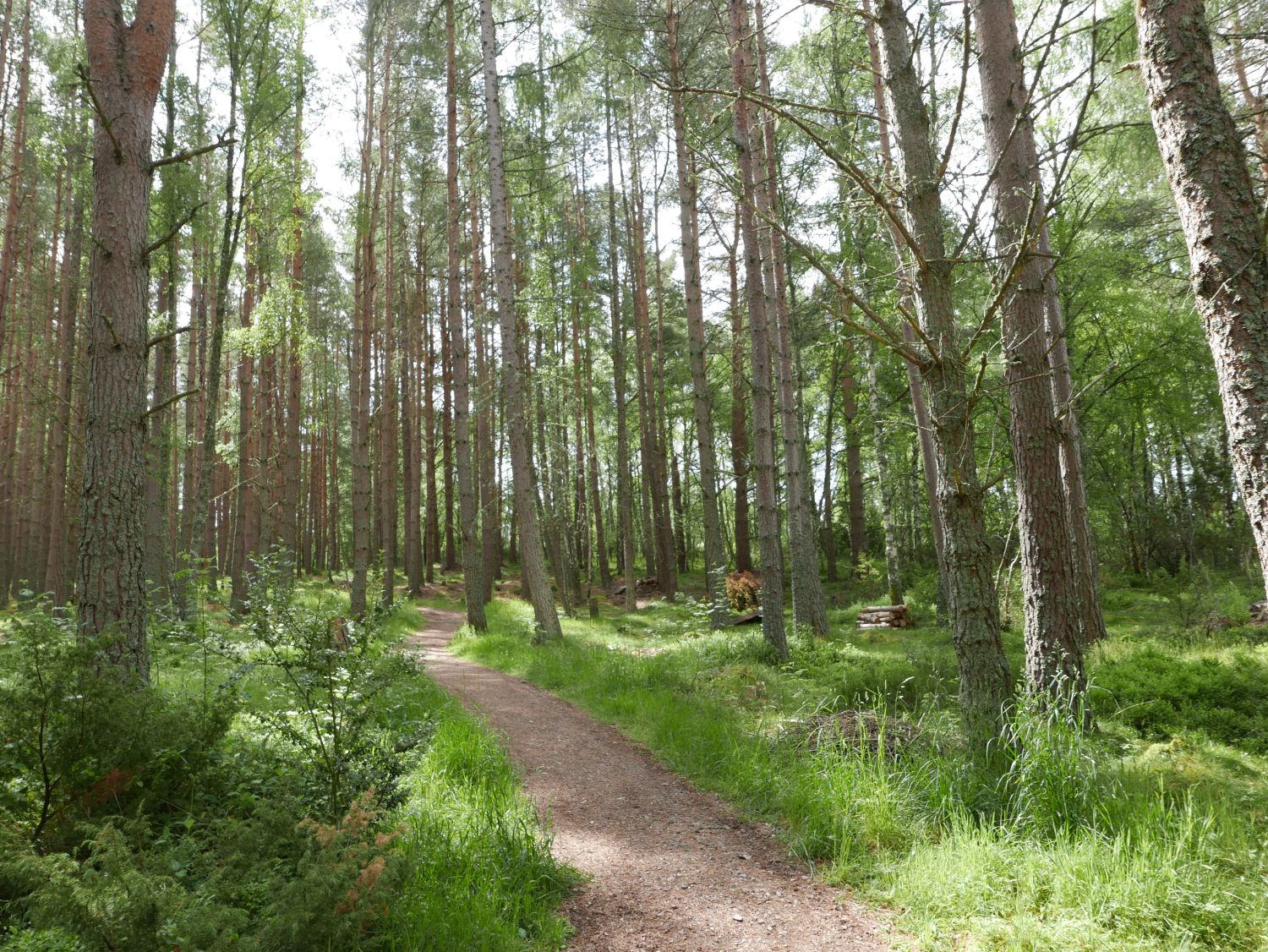
Insh Community Holdings woodland. Jennifer Gabrys, 2025.
Ownership of land and assets can play a significant role in community development and empowerment. However, despite some promising examples of community woodlands emerging across the Cairngorms, these tend to occupy small pockets of land in the National Park and represent outliers in wider land-acquisition trends. Although land reform has opened up opportunities for communities to acquire small parcels of land, facilitated by funding and broader organisational support, these opportunities have been relatively limited in number and scale, for instance with the majority of community land and assets being one hectare or less in size.Scottish Government, Community Ownership in Scotland 2024. As a counter to this narrative, there are some community bodies which work across the National Park, such as the River Dee Trust.
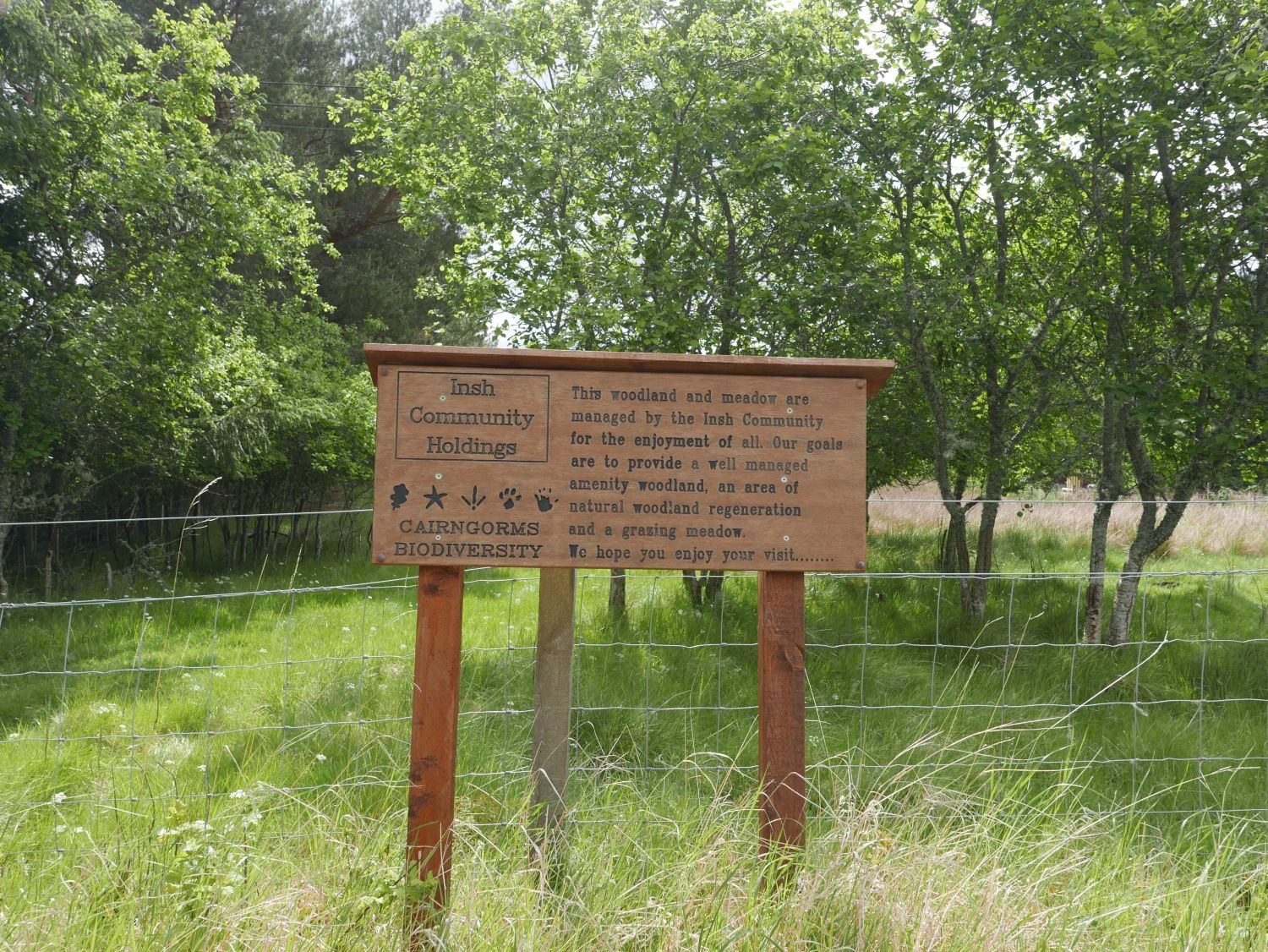
Insh Community Holdings. Jennifer Gabrys, 2025.
For community-based organisations managing woodlands, ambitions for nature recovery are not always central and intersect with social, cultural and economic objectives.Lawrence and Macaulay, Intersections Between Land Reform and Rewilding in Scotland. Community woodlands are tied to the provision of a range of local-level benefits, including land access and education, skills development in woodland management, recreation, enhanced health and wellbeing,Logan et al., ‘Contributions of Scottish Community Woodlands’. and reconnecting people with nature. For instance, the revival of native woodlands is often driven by aims to enhance recreational spaces, wellbeing and woodland aesthetics for local people. Community-owned land can also provide productive spaces for socio-ecological experimentation, such as community orchards. In any case, it is worth noting that funding conditions for community woodland groups are often based on objectives to generate community benefits and social value and to facilitate greater local use of woodlands as an amenity, such as for wellbeing or health, e.g., the Community Fund offered by Scottish Forestry.Scottish Forestry, ‘Community Fund’.
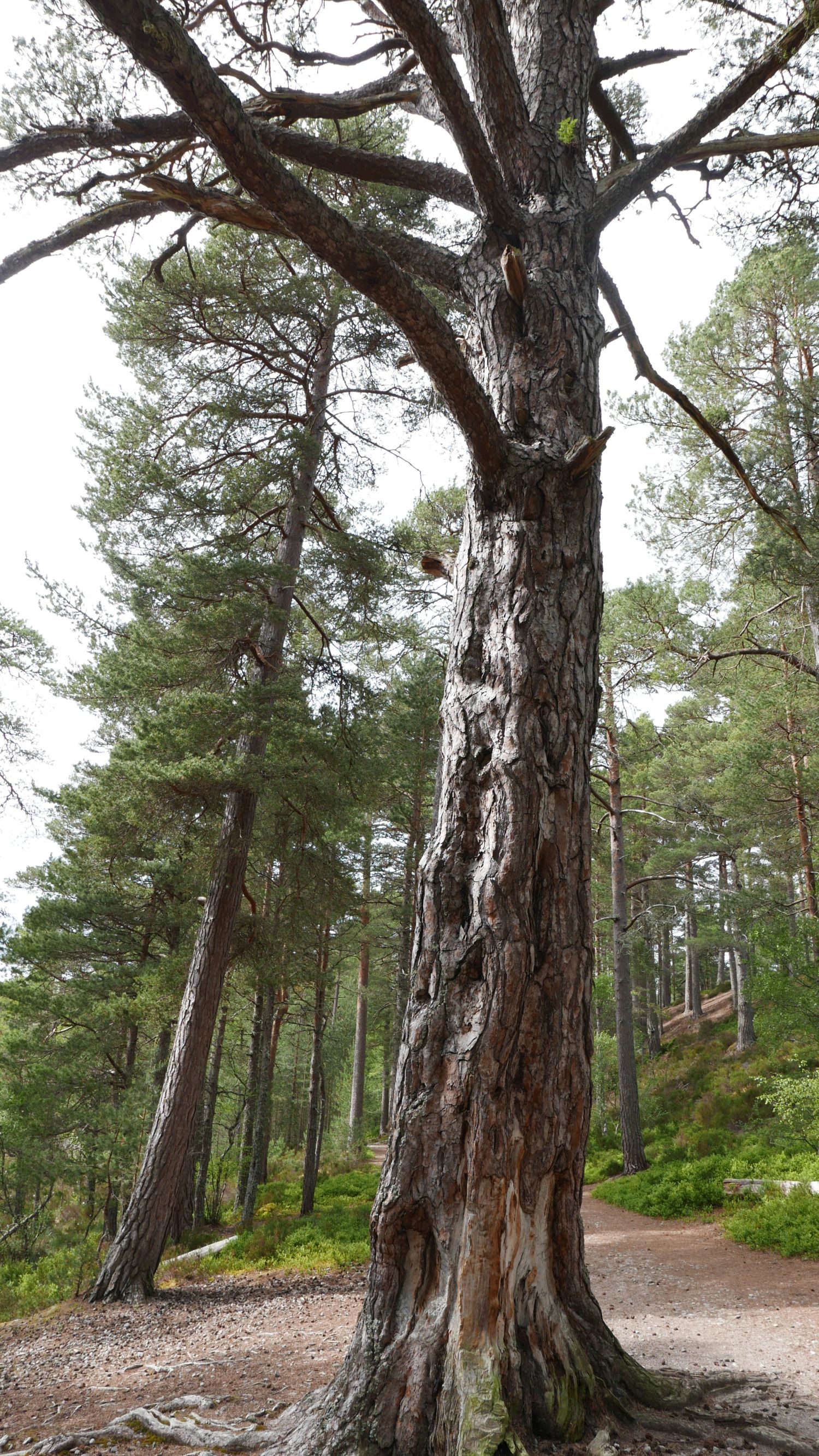
Examples of community-led regeneration projects include Anagach Community Wood in Grantown-on-Spey, which is community-owned land managed for eco-social purposes. The 382 hectares of land were acquired by the Anagach Woods Trust on behalf of the community in 2002 from Seafield Estates, in response to fears that the woodland would be used for industrial forestry purposes. This reflected a longstanding association between the Scots pine woods and the local people, originally planted in 1766 (by James Grant) as part of the development of the new industrial town of Grantown.Anagach Woods Trust, ‘History’.
Since transferring community ownership, the woods have been managed as a resource for combined ecological and social benefits, supported by funds from a range of sources, notably the Scottish Land Fund and others. The initial purchase occurred in 2002, with subsequent funding channels established for the ongoing maintenance and improvements of the site. The Anagach Woods Trust’s 2033 vision highlights the imperative to enable ‘nature and local community to thrive together’.Anagach Woods Trust, ‘Our Vision’. Residents view the community woodland as a local amenity and resource. By transforming access to the land, the woods have been managed to benefit the community and wider publics. The woods are noted by many participants for strong community involvement and integration, as well as habitat improvements.
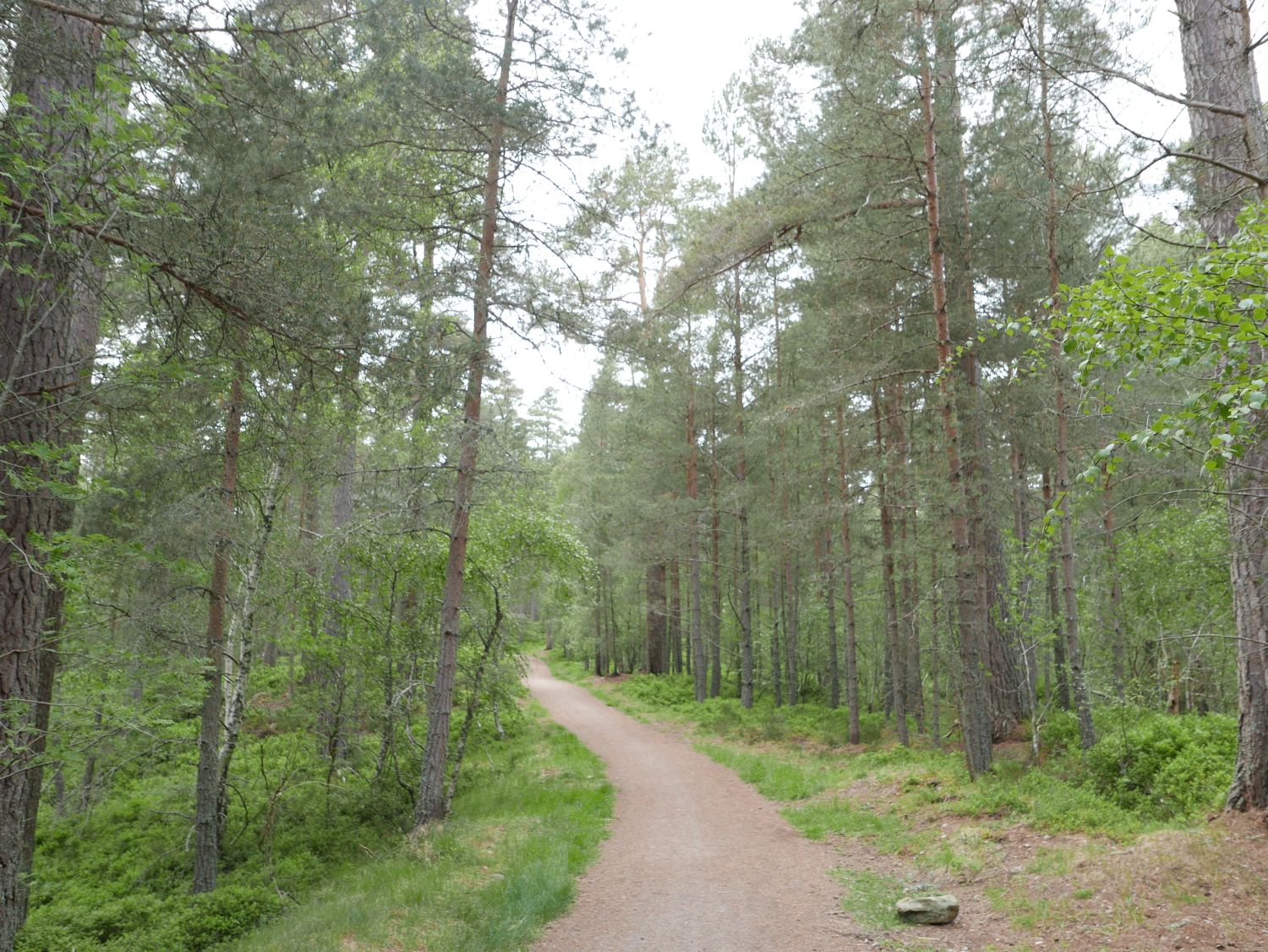
Anagach Woods. Jennifer Gabrys, 2025.
Anagach also has robust ecological plans in place to manage the woods and improve habitats for rare native species, including twinflower, aspen, and capercaillie. The community woodlands association works with other organisations on a number of habitat protection projects, notably the Royal Zoological Society of Scotland’s pine hoverfly project and a project to create translocation sites for twinflower in collaboration with the charity Plantlife.Anagach Woods Trust, ‘Projects’. There is a long-running volunteer programme at the woods, which is oriented toward building the skills and knowledge of community volunteers participating in projects to restore the woodland and woodland habitats. Volunteers are both local and from more distant locations in the UK and worldwide.
Volunteer days involve plans and operations to remove non-native, invasive species and to enable the natural regeneration of broadleaf species, to rewet areas of wet woodland and bog woodland to facilitate, for instance, the Northern damselfly habitat, and to sustain the capercaillie population, with the woods being registered as a Special Protection Area for capercaillie. It is also a recreational site regularly visited by locals and visitors (for walking, cycling, and wildlife spotting), with a bike skills area and engagement with a range of clubs and organisations that organise events in the woods, such as park runs and health walks. Additionally, the woodland is used as a resource for environmental and forestry education, particularly for young people to learn about the area’s natural heritage, and through a forest school on site, where students can, for instance, learn woodworking.
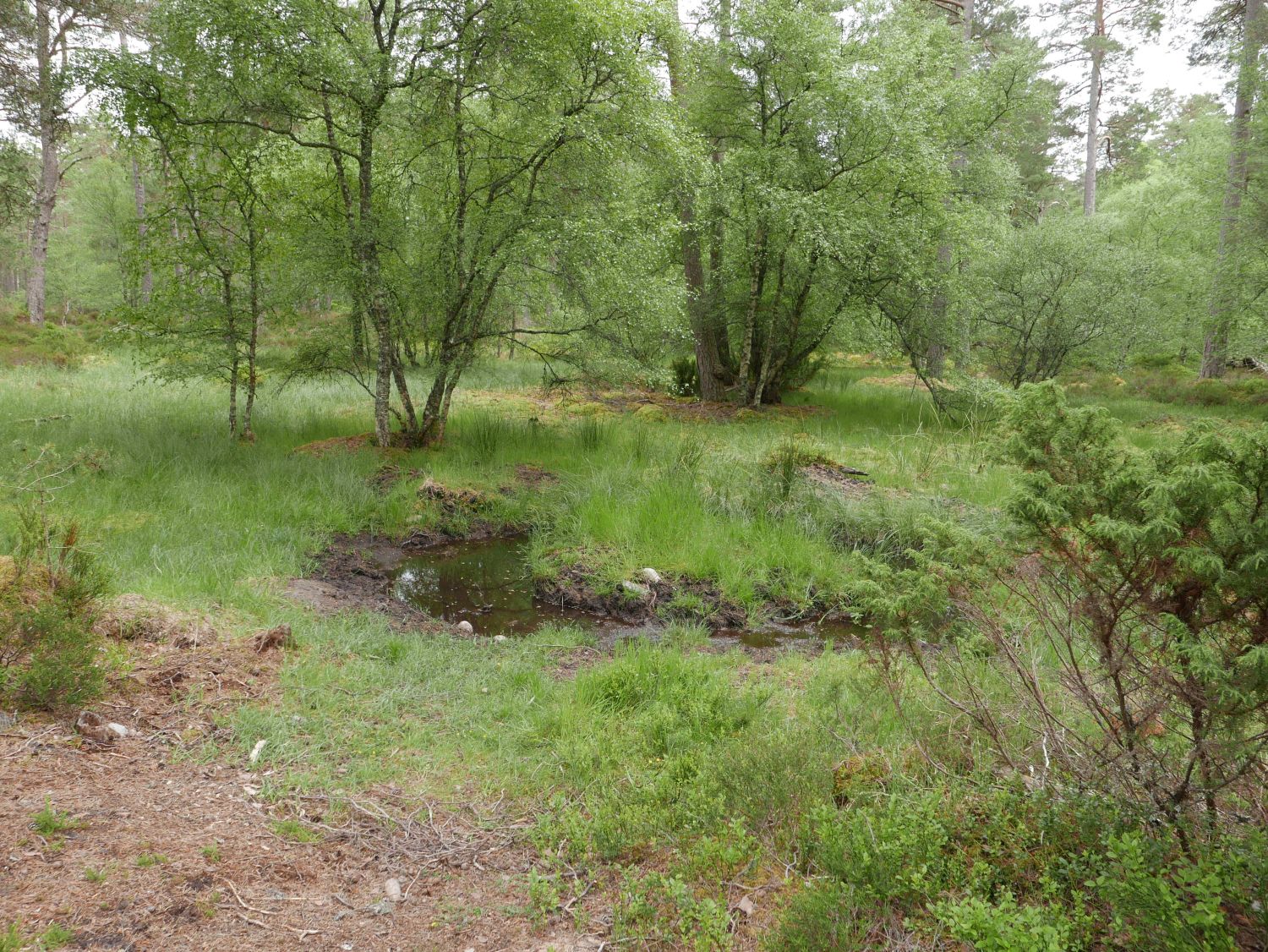
Anagach Woods and marsh rehabilitation. Jennifer Gabrys, 2025.
While there are hopeful community woodland stories in the Cairngorms, many factors and circumstances must come together for communities to proceed with a land purchase. Despite opportunities for communities to take on tracts of public and private land, community land acquisitions have generally slowed down over the last decade, particularly for large-scale acquisitions.Macaulay et al., SEFARI Fellowship. The rising cost of land, inflated by natural capital and carbon markets, can mean that land ownership feels further out of reach for many communities.McMorran et al., Rural Land Markets Insights Report 2022.
Despite some support (e.g., training and grants) from the CNPA and third-sector organisations for acquiring and managing assets, and a recent abatement in rising land prices,Merrell et al., Rural Land Market Insights Report 2024. communities still face challenges with raising substantial funds to acquire land. Notably, these include increasing land prices, accelerated by recent private investments in land (e.g. natural capital), complex funding requirements and overly burdensome, time-consuming processes. These factors are compounded in a context in which many land sales continue to take place ‘off market’, where communities are not given sufficient time to develop applications. The Land Reform (Scotland) Act 2025 proposes the idea that community right-to-buy provisions should allow greater time for communities to register an interest in acquiring a landholding.
As highlighted by multiple research participants, community-based groups and organisations tend to be volunteer-driven and lack the resources and time to conduct community buyouts. The process of communities taking over a parcel of land, however small, can take a long time. In the case of the Carrbridge Community Orchard, the CATS process took much longer than expected, extending over two years. Such a lengthy process can sometimes lead to burnout among community members. Alongside the success stories, there are noted examples of community buyouts which have failed. Overall, these factors limit the potential for community-based landscape regeneration in the Scottish Highlands. In this context of constrained community capacities, our research also highlighted the role of viable alternatives to buying land such as working in partnership with landowners and landholding organisations to provide access and manage land.
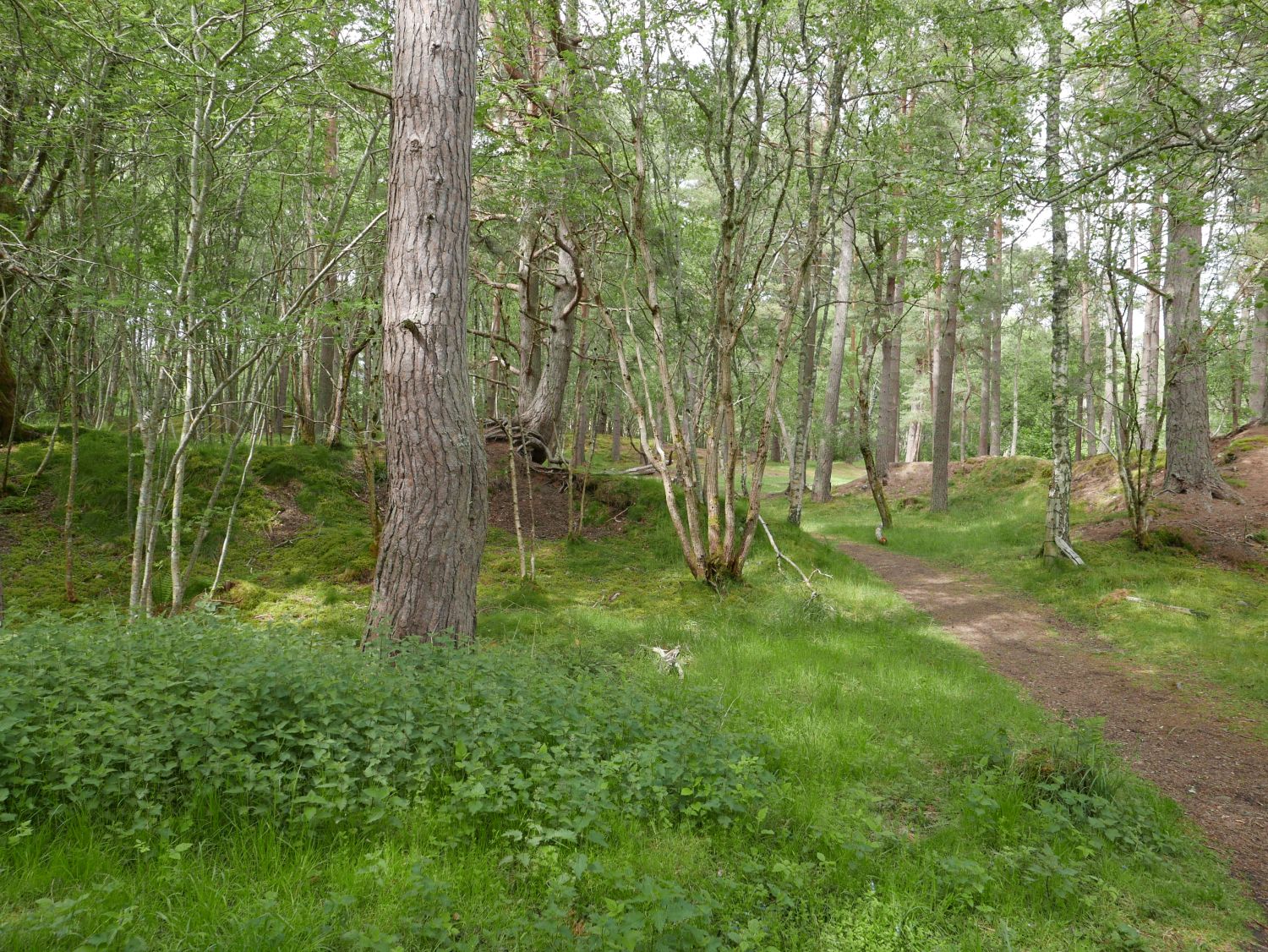
Anagach Woods. Jennifer Gabrys, 2025.
This landscape regeneration story points to several key areas for further progress
- Land reform is central to developing the potential for community-based landscape regeneration where land ownership structures in Scotland restrict the extent to which communities can access and control land.
- Land reform policies over the last three decades have provided some opportunities for communities to acquire and manage land, while contributing to landscape regeneration practices.
- Community woodlands and land-based initiatives aim to strengthen connections to land, enhance community capacities and wellbeing, and improve land access and education, which sometimes intersect with nature recovery objectives.
- Yet these are generally peripheral and small-scale, with landscape regeneration dominated by large-scale landholding organisations and private landowners.
- Communities continue to face substantial barriers to own and manage land, notably tied to rising costs of land, constrained community capacities and limited resources.
Social, ecological & economic benefits
Landscape Regeneration Story 2: Generating Social and Economic Benefits from Landscape Regeneration
- Finding Landscape regeneration and socio-economic benefits
- Aim Align social, ecological, and economic benefits within landscape-regeneration initiatives
- Map See this theme on the map
A key question in landscape regeneration is how it can be combined with social and economic benefits. There are concerns among some existing land users and land managers that pursuing nature restoration approaches and plans can compromise rural livelihoods and economies. Promoting the sustainable development of local economies that conserve and enhance the area’s natural environment is a foundational principle of the National Park and one of its core aims that must be delivered collectively, as set out in the National Park (Scotland) Act 2000.National Parks (Scotland) Act 2000. This focus on sustainable development is a distinguishing element of Scotland’s governance of National Parks compared to England and Wales.
Emerging discussions around just transitions of land in the Scottish government are focused on balancing land-use demands- notably across restoration, climate change, energy generation and food security- and livelihoods. There is a need to connect landscape-scale regeneration with decent, stable and sustainable employment in rural industries, partly from existing sectors which adapt or expand, such as farming or sporting estates. Driven by changing social views on land management and government subsidies for restoration activities (e.g. woodland creation), many sporting estates are changing their economic models, branching out away from traditional activities and incorporating aspects of nature restoration.
Income through nature-based tourism is one way in which restoration projects seek to become financially viable and generate local land-based employment, such as guides or tour operators. In the Cairngorms, various forms of nature-based tourism are being undertaken, whether by the traditional estates, the landholding environmental NGOs, or the more recent ‘green’ landowners which have arrived in the area, such as Wildland Ltd. Mar Lodge, owned by the National Trust for Scotland, is a notable example of an established mixed-use estate where the land is managed for field sports, natural regeneration (of the ancient Caledonian pinewoods) and tourism, as part of a balanced approach.
Farming and crofting constitute an important land use in the Cairngorms, with agricultural activities covering a significant proportion of land in the National Park and shaping its landscape and rural economy. However, there has been an ongoing decline in livestock farming in the Cairngorms and in the Scottish Highlands more broadly, amid persistent, multifaceted challenges in making a living as a farmer. Between 2003 and 2023, the amount of agricultural land in the Cairngorms National Park reduced by around 9 per cent, combined with reductions in sheep and cattle numbers (8 per cent and 28 per cent respectively).Cairngorms National Park Authority, ‘Formal Board Meeting - Paper 5’.
In this context, farms and crofts in the Cairngorms have increasingly diversified in recent years to expand income generation, most typically into agri-tourism and also regenerative farming initiatives. One notable example is Glenkilrie Larder, where a family livestock farm is focusing on generating income through the sale of venison locally.Cairngorms National Park Authority, ‘Deer Larder Benefits to People and Place’. Forming part of a community deer larder project connected to the Cairngorms 2030 programme, the idea is to foster a local market for venison, create jobs in the area, and facilitate access to high-quality food, while simultaneously controlling high deer population densities and thereby facilitating the natural regeneration of the land. The CNPA provides a support package for farmers and crofters seeking to transition to a regenerative farming approach, including training and capital grants, as part of its Cairngorms 2030 ‘Future Farming Project’ for exploring low-carbon farming techniques.Cairngorms National Park Authority, ‘Cairngorms Future Farming’.
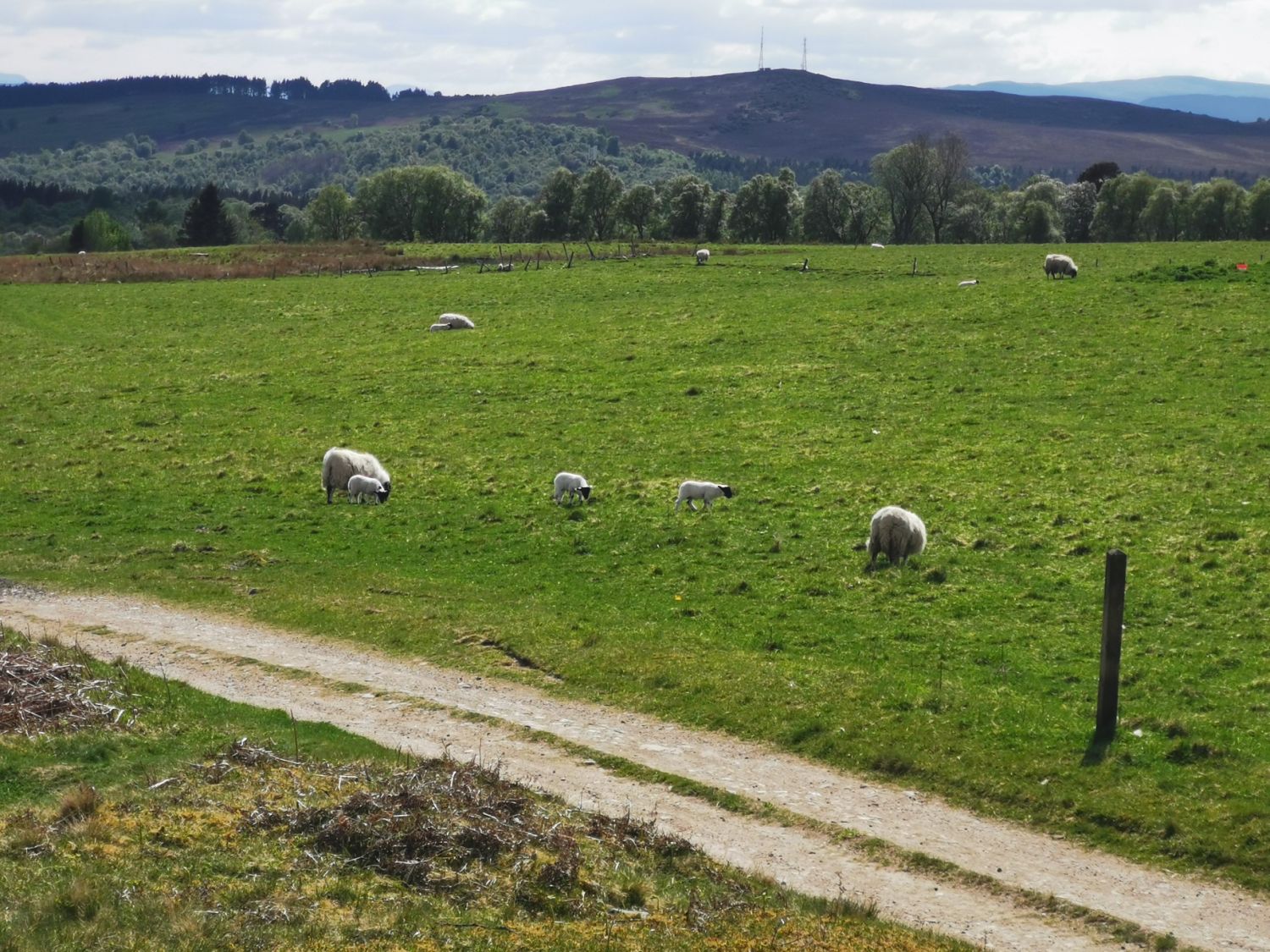
Farm in Grantown-on-Spey. David Brown, 2024.
Socio-economic impacts of restoration-oriented landholdings vary considerably across the Cairngorms. They range from more recent speculators in carbon and natural capital markets (e.g., large-scale tree planting schemes) who buy land but provide few local jobs and local benefits, to other restoration initiatives that make concerted efforts to employ local people as plant nursery managers or deer stalkers to facilitate natural regeneration. While agricultural firms have historically supported the development of other rural businesses through the multiplier effect, it is not yet clear how restoration-based businesses would affect the local economy and employment, particularly in the absence of more concrete requirements for landowners to engage with community benefits and rural economic development.
There are concerns over the extent to which landscape regeneration plans and programmes in Scotland can benefit rural communities. For one thing, questions have been raised over the sustainability and fairness of jobs in the ‘green economy’, specifically whether restoration initiatives and programmes can offer long-term, decent forms of employment, and whether these can address the loss of jobs in other sectors of the rural Scottish economy, such as sheep farming. Many participants identified the importance of restoration initiatives connecting to the wider development of resilient rural economies. Distinct from a conventional community benefits model (e.g., community benefit funds), such initiatives would increase wealth at the community level (e.g., through a ‘community wealth-building’ approach). Such efforts would create employment for local people and source materials locally, contributing to the ‘re-peopling’ of rural Scotland.
For community-based organisations and land-based initiatives, there are substantial difficulties in generating core income from the land. Community acquisitions are strongly influenced by the financial viability of the land, tied to community support and the ability to access funds, with renewable energy and tourism particularly viewed by community groups as sources of income generation.Macaulay et al., SEFARI Fellowship. Small streams of income can be generated from sales of woodland products (e.g., firewood and timber), which Insh Community Holdings currently undertakes. Some community development trusts in the Cairngorms have initially focused on built heritage, such as developing infrastructure or renovating heritage buildings that can be used to develop an income source from tourism. This initial focus can support community bodies to expand and develop landscape regeneration initiatives.
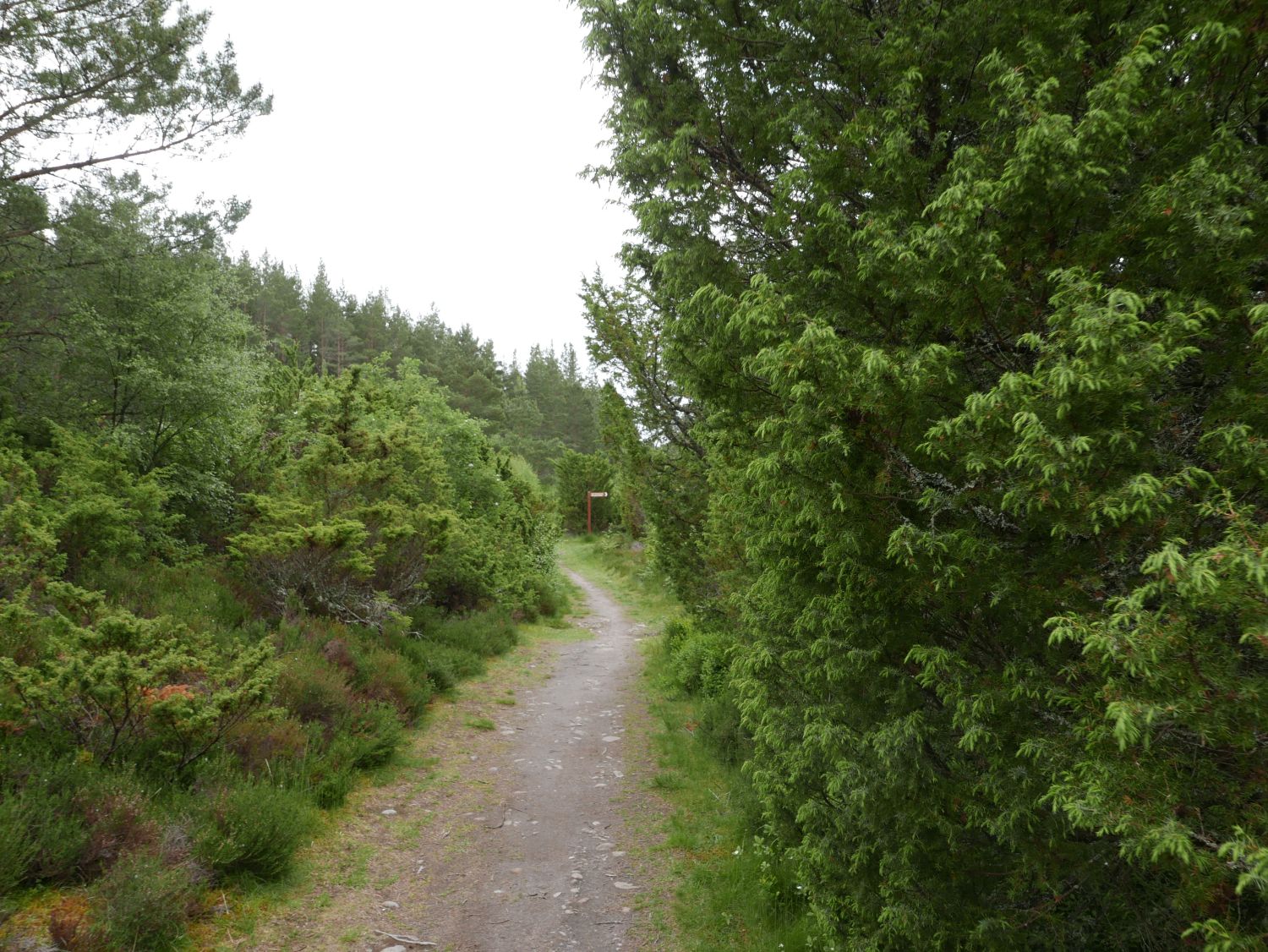
The Speyside Way, Insh Community Holdings. Jennifer Gabrys, 2025.
In other cases, community-based organisations have been involved in delivering nature-based tourism as a way of financially supporting their operations, including those relating to landscape regeneration. For instance, many community members considered Laggan Wolftrax to be a positive story about communities and tourism, where a community-based organisation, the Laggan Forest Trust, manages the land with concurrent aims of environmental protection, rural regeneration, and recreational development. Since 2004, a partnership agreement has been in place between the Forestry Commission and the Laggan Forest Trust for the management of Strathmashie Forest. Most notably, this includes the development of the Laggan Wolftrax mountain biking centre, which includes purpose-built biking and walking trails and, since 2015, a permanent visitor centre, run as a social enterprise.Laggan Forest Trust, ‘A Brief History of LFT’.
Laggan Forest Trust has drawn on external funds to develop educational activities in the forest, maintain trails, and coordinate other community benefits, including employment and skills development. As well as working with organisations in the area, the Forest Trust has targeted aims to employ local young people in their operations, for instance in the café, bike shop and forestry work, and to develop their skillsets. There are ambitions to formalise training, for instance, in hospitality or bike mechanics via a funding mechanism to develop a local training scheme, potentially connecting to a public college or university.
While the rest of the forest remains under the ownership of Forestry and Land Scotland, the Forest Trust purchased three small tracts of land in 2007, totalling 19 hectares. The forest was historically grown as a commercial conifer estate. Instead of harvesting and replanting for commercial purposes, the Forest Trust decided to regenerate its woodlands with native broadleaf species across its land tracts, serving ecological and recreational aims. The purchase of the land was triggered by community pushback to increasing public funding cuts to the Forestry Commission and by a desire to manage the woodland for greater community benefits.
The role of tourism in regenerating the landscape is a significant piece of the puzzle, with aspirations that the sector can provide the financial anchoring and incentives for landscape regeneration while also delivering community benefits (e.g., local wealth generation, increased land access). However, tensions also arise between tourism and landscape regeneration, for instance, potential wildlife disturbances due to (over)tourism activities. There are also risks to communities that need to be managed, such as increasing second-home ownership that is affecting communities across rural Scotland. There are noted trade-offs and points of friction, such as commercial guides generating economic returns from the landscape but potentially contributing to visitor pressures on infrastructure or wildlife in the National Park. Such tensions are an area for further research.
Moreover, our research emphasised that the potential for jobs in restoration in the Cairngorms depends on the availability of affordable housing and other social infrastructure, such as public transport, medical services, and childcare, to provide a sustainable basis for people to live and work in the area. Participants consistently highlighted the importance of these ‘bread and butter’ issues in underpinning the community benefits from—and engagement with—landscape regeneration. Even if secure, fair jobs in restoration can be created at scale, the development of a nature-based economy could be otherwise constrained by rural skills shortages and funding gaps. For instance, as found by the Institute of Chartered Foresters,Institute of Chartered Foresters, Can’t See the Skills for the Trees. there is a shortfall of skilled workers in Scotland’s forestry sector needed to meet climate and biodiversity targets. Research participants highlighted the limited educational and funding opportunities for rural skills training and the need to build green skills and ecological literacy across rural Scotland.
Within the Cairngorms National Park, there are no further or higher education institutions, meaning locals need to venture further afield to develop the necessary skills, often at institutions in more distant urban centres. In its Local Development Plan, the CNPA has set out its goals to develop skills and training programmes to help people take up green jobs, particularly those related to nature restoration, including a target to expand apprenticeships within the National Park. However, participants also indicated that engagement by the CNPA and some eNGOs with the nature-based business community, including guides and mountaineering companies, has been inadequate, for instance, in terms of support or training required.
While issues around jobs, housing and services pertain to wider structural problems, it is worth highlighting that, under the right circumstances, there are opportunities for communities to initiate and lead on infrastructural developments, most notably through community development trusts. In the Cairngorms, we identified examples of community-based orchards, tree nurseries and community centres. More widely in Scotland, there are numerous cases of community-based organisations which have taken on local infrastructure of various types, including local housing projects.Doyle, ‘Rethinking Communities, Land and Governance’. With a lack of affordable housing as a prominent issue in rural Scotland, community-led housing projects have been rapidly expanding across the country in recent years.Community Led Housing Alliance, Manifesto for the 2026 Scottish Parliament Election. Delivered by non-profit organisations, primarily development trusts alongside social enterprises, these projects aim to provide affordable and low-cost housing to address failures in the housing system, and to counter rural depopulation and the loss of workers and essential services.
This landscape regeneration story points to several key areas for further progress
- There is a need to tie landscape regeneration initiatives to the wider development of resilient rural economies, e.g., local employment creation, sourcing materials locally, which goes beyond a community benefits fund model.
- Many community-based organisations and land-based initiatives struggle to generate core income from the land.
- Tourism is often seen as an income stream by many community-based organisations, while also delivering community benefits. Yet, tensions have been identified between tourism and landscape regeneration.
- Limited educational and funding opportunities for rural skills training can constrain community-based landscape regeneration.
- Community benefits from—and engagement with—landscape regeneration are closely tied to decent job creation, affordable housing, public services, transport and livelihoods.
Community capacities
Landscape Regeneration Story 3: Building Community Capacities through Community Development
- Finding Unequal community capacities
- Aim Expand community capacities through networks, education, and resource sharing
- Map See this theme on the map
Our research highlights the importance of strong community capacities as a necessary basis for developing effective and lasting community-based landscape regeneration initiatives. Participants indicated that a range of skills, expertise, and experiences are required for communities to contribute to developing projects locally and to respond effectively to opportunities across the land. These can come from long-standing land users and landholders, or from more recent arrivals to communities from urban areas, bringing different types of knowledge and experiences. Communities are limited by the capacities and skills of their members, with calls for easier access to support and advice from external organisations for communities where skills and experiences may be lacking in certain areas.
A key dimension of the dynamics around community capacities concerns a pervasive, ongoing reliance on volunteer networks to run community-based organisations and sustain community-based projects. Many research participants indicated that this arrangement poses profound challenges to achieving long-term success and resilience. There are substantial barriers in developing a willing base of volunteers with the time to assist with community development. Considering some of these constraints, numerous participants in our research raised concerns about sustaining community motivation and involvement, for instance following the initial buyout period, and about what might contribute to success stories over a longer period of time. Building governance capacities and succession plans is vital to support community land initiatives as long-term projects, beyond the initial enthusiasm of new initiatives.
An important trend has been the growing number of professionals and retirees moving from urban areas to rural parts of the Highlands in recent years, bringing different skill sets, expertise and connections than often found in rural communities. For instance, recent arrivals include people with backgrounds in finance, banking, project management, surveying and consultancy. The availability of professional expertise to communities is also important for accessing support and advice on land, the environment, and regeneration, for instance, through individual or community networks. This could include particular technical skills that the community may otherwise lack.
Research participants highlighted the importance of strong community development support to address the skills and time constraints of community members. There are cases in which the CNPA or environmental organisations have undertaken community-based projects in collaboration with community organisations. These projects tend to include paid staff (e.g., community development officers) to help coordinate and manage the initiative, offer skills, and thereby alleviate the burden on local volunteers. In theory, professionals support ongoing volunteer-based efforts that may otherwise be struggling. However, paid staff are often employed on short-term contracts and can only provide support for a limited period. Moreover, supporting organisations have their own agendas, and the directives of professionals may not always align with communities’ needs and interests.
More broadly, this research emphasised the importance of collaborative working across communities, particularly in enhancing community capacities and resources. There are noted examples of community groups across Scotland working together with landowners, whether private owners, public bodies, or eNGOs, to co-manage a piece of land, for example, Arkaig Community Forest.Hamilton-Jones et al., Community-led Forest Technologies. As our research identified, there are also cases where landowners and landholding organisations informally assist community organisations with resources and other forms of support. Without land being accessible and affordable, land management partnerships are one way through which communities can achieve greater influence at landscape scale and leverage resources.
Some research participants highlight the key role of community network groups, such as climate action networks (CANs). In Scotland, CANs are regional and are supported by hubs as registered charities, including two hubs that cover the Cairngorms with the North East Scotland climate hub,North East Scotland Climate Action Network (NESCAN) Hub, ‘Who We Are’. and the Highlands and Islands climate hub.Highlands & Islands Climate Hub, ‘About the Hub’ CAN hubs can anchor the development of climate action projects in communities and in community plans, including through seed funding, knowledge-sharing practices and training opportunities. Supported by government funding, local communities are given enhanced capacity to take on climate action initiatives, while also benefiting from broad collaboration and networking.
Access to resources is central to communities’ capacity to self-organise, particularly for financial support. Funding channels exist to support community development and engagement in nature restoration. Notably, there is the Scottish Land Fund, which offers grants to financially assist community-led organisations in purchasing land or land assets, alongside support for the development of community plans and projects.National Lottery Community Fund, ‘Scottish Land Fund’. While a key component of land reform and enabler of community land acquisitions, particularly in its initial period, the Scottish Land Fund has a limited and reduced annual budget, which can constrain communities’ ability to meet the rising costs of land.Macaulay et al., SEFARI Fellowship. Other funding opportunities for community development and initiatives can be applied for through a range of siloed policy bodies focused on different purposes, such as Scottish Forestry’s ‘Forest Grant Scheme’ and other piecemeal funding sources.Scottish Government, ‘Forestry Grant Scheme’. There are also funding streams periodically available to communities through the National Park or from environmental and supporting organisations, such as climate action networks or the National Trust.
Moreover, the funding streams tend to be restrictive and unstable, making it difficult for communities to rely on them. Funds are also typically tailored to the initiation of community initiatives and linked to time-sensitive projects and short timelines. This means that communities’ time and effort are spent generating funds, with volunteers’ capacity drained by funding administration and applications. As a compounding factor, third-sector organisations also encounter difficulties in accessing consistent funding.
The short-term, unreliable nature of the funding streams constrains the long-term planning and sustainability of community-led landscape regeneration. Sustaining community development, plans, and initiatives becomes highly challenging in this context, where communities’ ability to realise their ambitions and goals is closely linked to consistently accessing funding streams. Both community development and landscape planning require more of a long-term outlook that is out of step with the current funding landscape.
The funding landscape for communities is multi-layered and complex, making it difficult to navigate, particularly for those with few resources. A small number of communities are successful in consistently drawing from a range of funding streams. Indeed, several community-based organisations highlighted the importance of diversifying funding sources and avoiding reliance on a single source or project to sustain community initiatives. It is noted that successful receipt of grants and other funding is part of a positive reinforcing cycle, leading to growing reputations and a higher likelihood of accessing further funds.
Research participants highlighted the substantial challenges involved in obtaining reliable financial support in both the short and long term, tied to the communities’ knowledge and skills base. Specifically, communities benefit from having members with experience of writing grant applications. To effectively apply for support funds, there is a need for in-depth knowledge of the policy and funding landscape, as well as the ability to appeal to funders. Well-connected individuals are also important, as they can access key networks of policy bodies and organisations, or neighbouring estates. Connections to existing and experienced community development companies can help to support the initiation and development of community-based organisations and projects, for instance, through seed funding or assistance with the asset transfer process.
A key source of funding for some communities in the Scottish Highlands is derived from renewable energy community benefit funds. However, this funding is patchy and varies considerably across communities. In the Cairngorms, large-scale commercial wind developments are not accepted within the National Park,Cairngorms National Park Authority, Cairngorms National Park Local Development Plan 2021. yet there is an increasing number of wind farms which encircle the park along its boundaries, particularly along the northern boundary. Some Cairngorms communities in proximity to these developments can access community benefit funds, unlike communities farther away, resulting in a significant disparity in financial resources across communities. Such inequalities point to the need for policies and practices to support more equitable, landscape-scale distribution of benefits from wind farm and other renewable energy funds.
The Kingussie Community Development Corporation (KCDC) is noted as an example of a community-based organisation that has successfully generated income and leveraged investment to support initiatives in the Kingussie area. Established as a community development company with charitable status in 2006, KCDC was formed to re-establish small-scale community hydropower on the River Gynack, a site where hydro operations had powered the adjacent hospital in the 1920s.Kingussie Community Development Company (KCDC), ‘Hydro’. Operational since 2015, the community hydropower scheme now provides KCDC’s primary source of income.
Drawn from these profits, Kingussie-based organisations and groups can apply for charitable grants to fund projects and initiatives with tangible community benefits.Kingussie Community Development Company (KCDC), ‘Hydro Fund’ Over the years, KCDC has become an umbrella organisation of sorts for other community-based organisations and initiatives. Similarly, Braemar Community Hydro Ltd, a community-based organisation in Braemar, built and runs a 100-kilowatt community hydro scheme. This energy resource generates income that local residents can apply for to undertake community benefit projects, which have included a village planting scheme. While income from the hydropower is not as significant as that available through wind farm schemes, it nevertheless provides a reliable income stream to fund community-based projects, groups, and improvements.
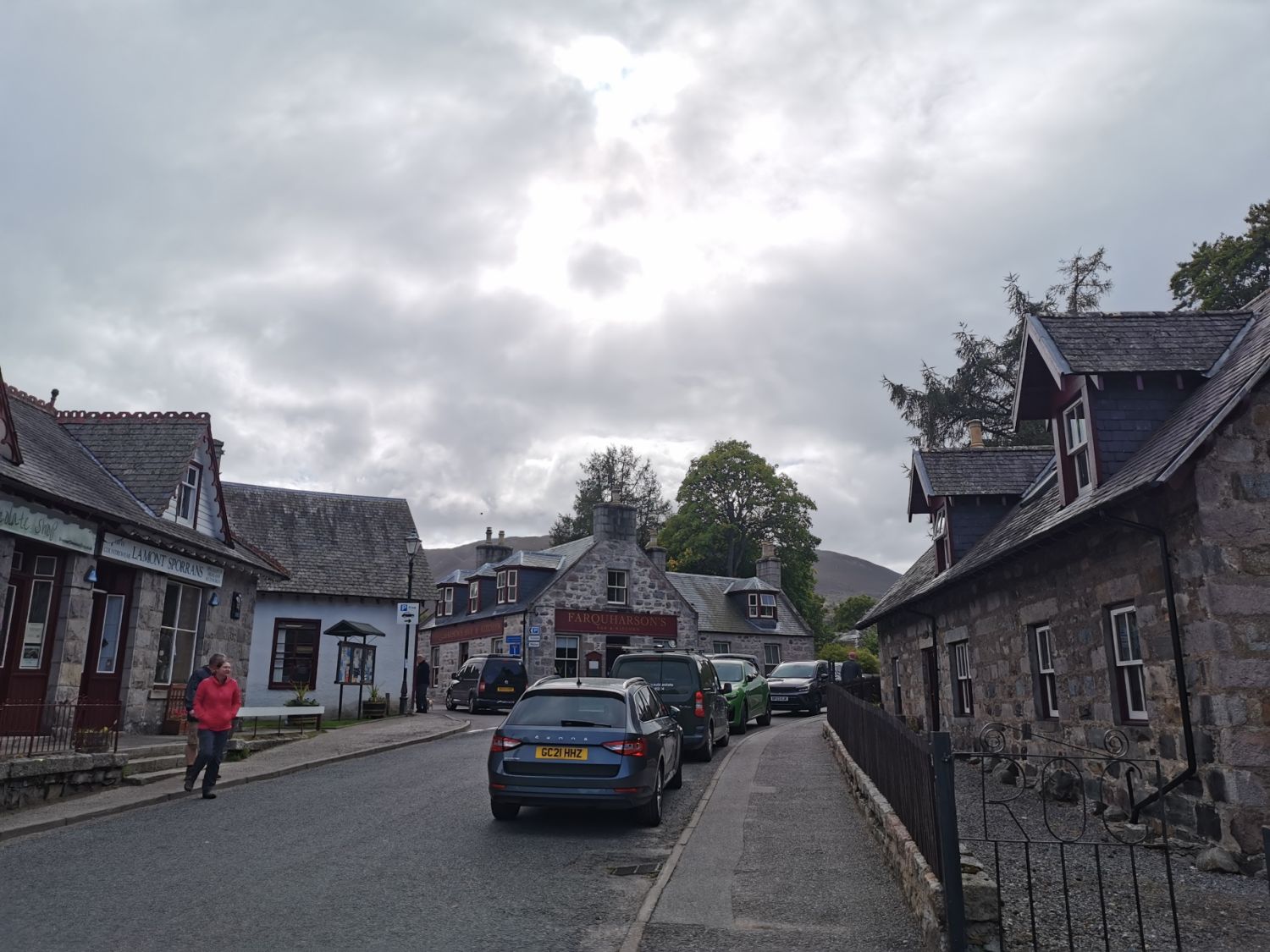
Braemar. David Brown, 2024.
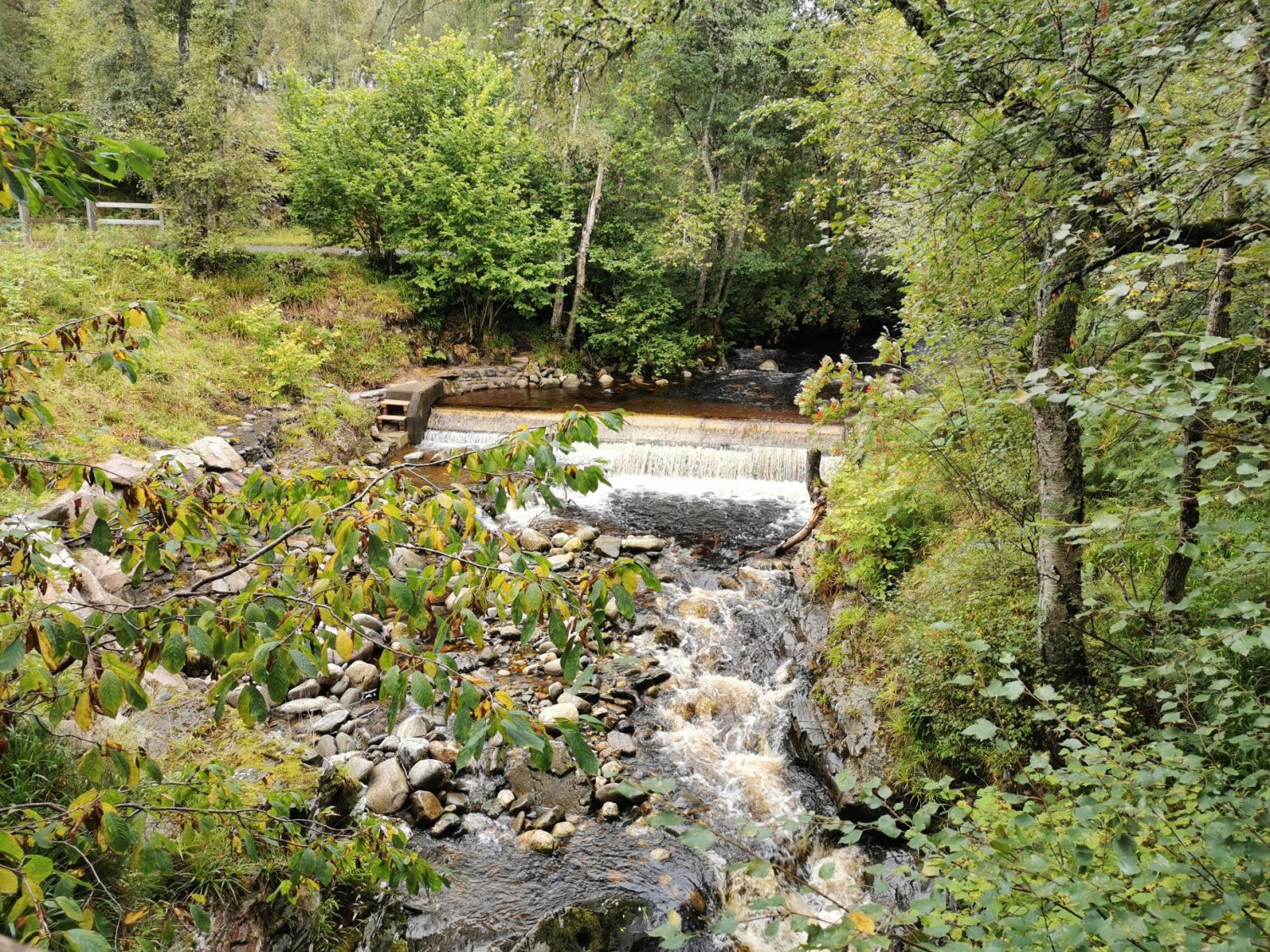
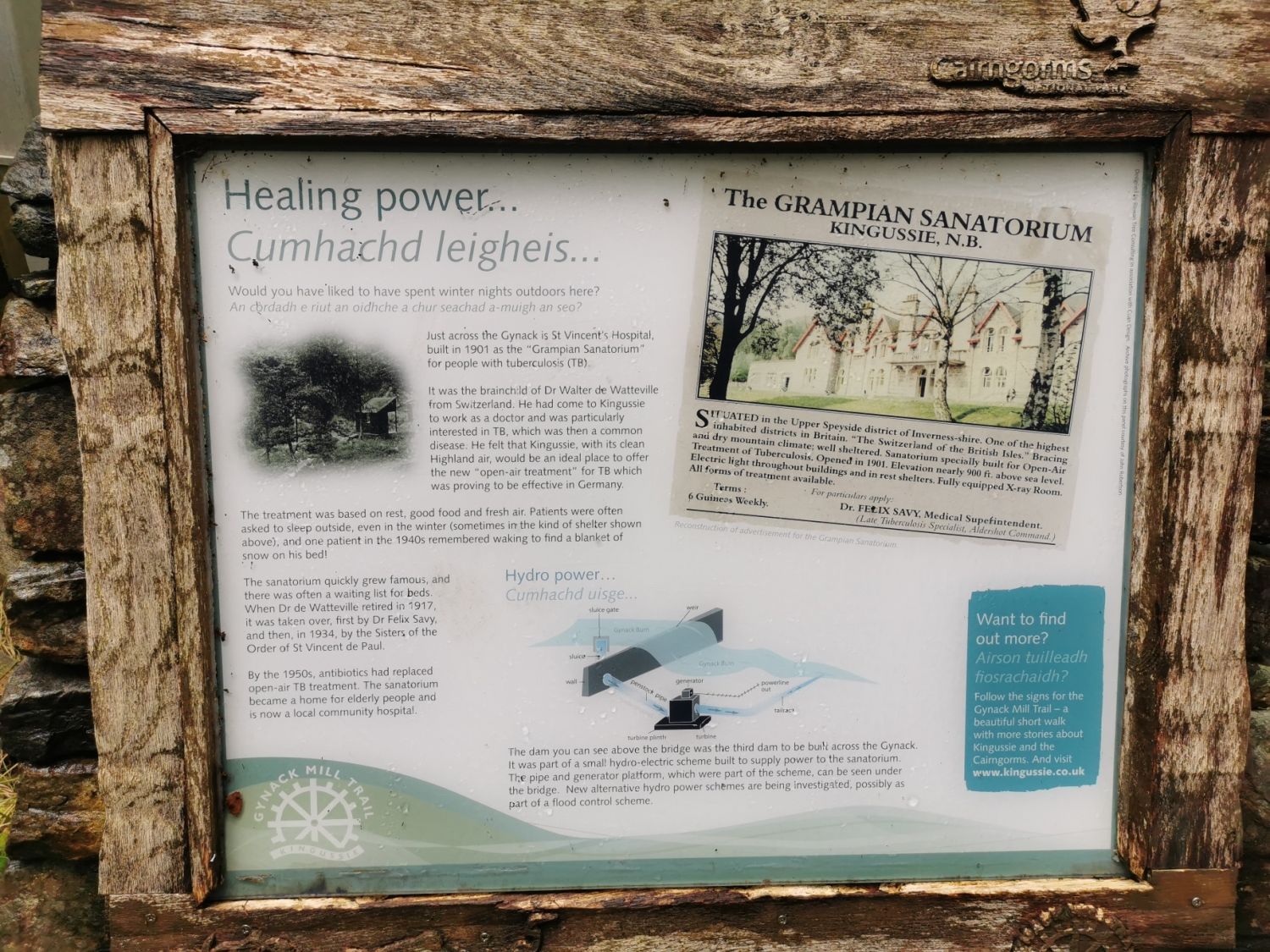
Kingussie Community Hydro. David Brown, 2024.
KCDC also raises and receives external funds, including from the Cairngorms Trust and the Scottish Mountaineering Trust, for other projects in Kingussie. Notable projects include building and maintaining the path network in and around Kingussie, such as the hillwalk path across the summit of Creag Beag. Regular volunteer work parties repair and improve paths.Kingussie Community Development Company (KCDC), ‘Path Maintenance’. The volunteer group is primarily made up of retirees, including walkers and people who previously worked in related fields, with expertise to support some technical aspects of path maintenance, such as stone pitching.
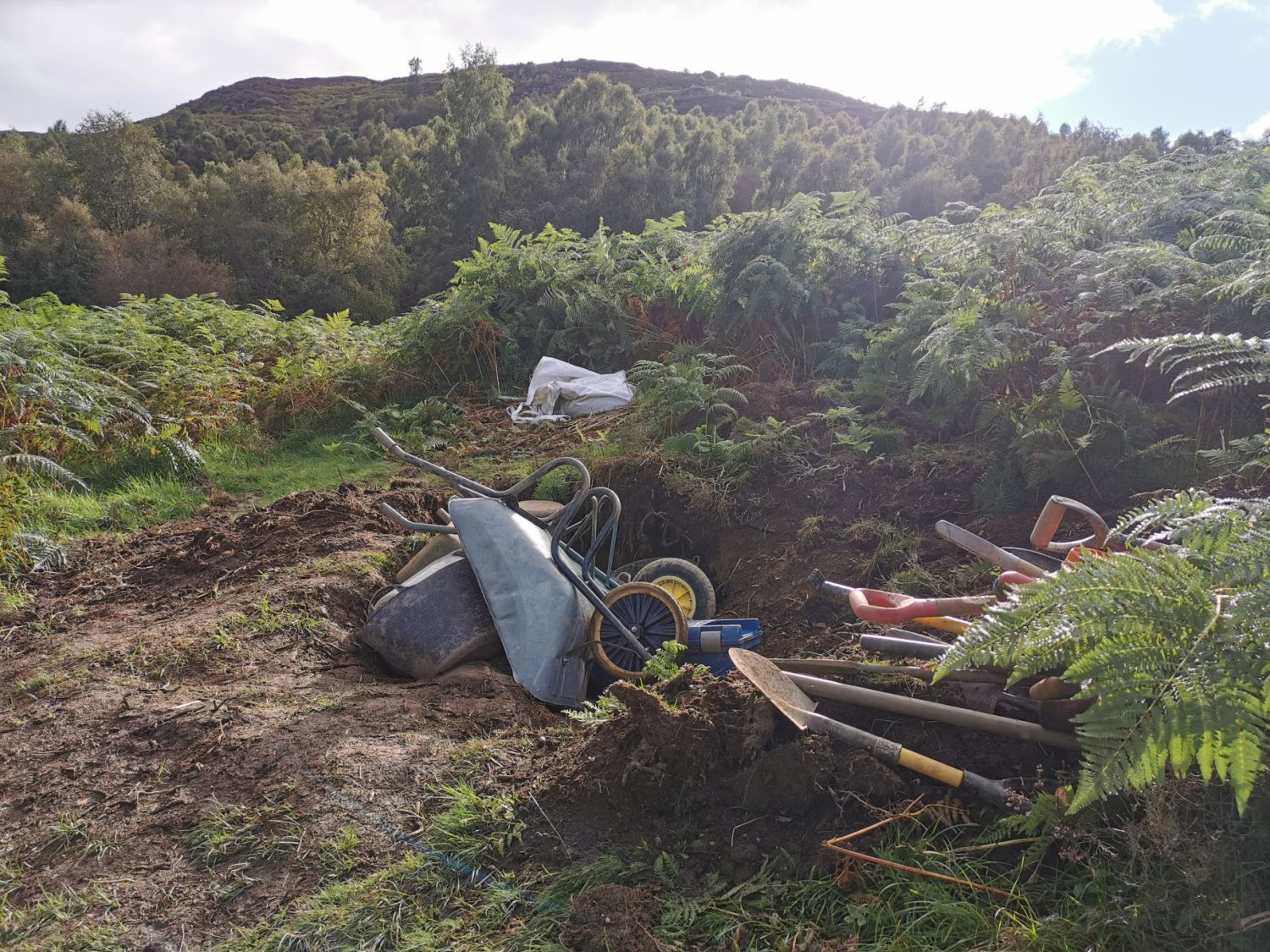
Creag Beag path maintenance, Kingussie. David Brown, 2024.
Moreover, KCDC owns community woods (2.71 hectares) along the banks of the River Gynack, initially from a land parcel donated by Davall Developments in 2012, followed by the acquisition of two further woodland tracts from the Highland Council in 2017 and from the Dochfour estate in 2022.Kingussie Community Development Company (KCDC), ‘Community Woodland’. The community woods function primarily as a recreational area for residents, but some initial ‘light touch’ regeneration work has taken place on the land. This has included fence repairs, deadwood retention, removal and thinning of non-native species such as sycamore trees, and minimal planting. KCDC also work in collaboration with adjacent landowners to meet restoration goals.
This landscape regeneration story points to several key areas for further progress:
- Communities vary significantly in their ability to design, develop and carry out regeneration plans and practices, based on resources, funding, support, knowledge, skills, and community cohesiveness.
- While some communities struggle to undertake project development or realise positive impacts, other communities are in a more advantageous position to draw on relevant skills and expertise, impactful supporting networks, and access to resources.
- A range of skills, expertise, and experiences is required for communities to contribute to developing projects locally.
- There are challenges to sustaining resilient community-based initiatives in the long term, based on the precarity of short-term funding, support structures, and volunteer networks.
- Access to resources is a central component of community capacities to self-organise, shaping communities’ ability to develop and plan for long-term projects.
Community voice & engagement
Landscape Regeneration Story 4: Strengthening Community Engagement and Influence
- Finding Limited community voice and influence
- Aim Enhance community engagement in land-use decision-making
- Map See this theme on the map
Our research emphasised the lack of meaningful and empowering forms of community engagement in landscape-scale regeneration in the Cairngorms. Research participants identified limited forms of community engagement among more recent ‘green’ landowners, conservation organisations, and traditional estates. In a context of increasingly concentrated land ownership and of growing private investment in rural land, participants noted there are tensions between owners’ control and autonomy, and their willingness to engage with communities in land-related decision-making.Martin et al., ‘Who Decides?’.
There are increasing expectations for landowners, including both private landowners and large NGOs such as RSPB or National Trust Scotland, to engage more closely and meaningfully with local communities in decisions about land. In recent years, land reform policies have sought to foster more responsible forms of landownership in Scotland, including increasing landowner engagement with communities in decisions on land use and management. Created out of the 2016 Land Reform Act, the Land Rights and Responsibilities Statement has been developed in Scotland,Scottish Government, Scottish Land Rights and Responsibilities Statement 2022. supported through the Scottish Land Commission with a set of protocols for responsible forms of land management and investment. An important principle set out by the statement pertains to ‘effective community engagement in decisions on land use and management’.
Yet, in practice this guidance is voluntary and non-binding. As a result, governance arrangements and landowner engagement with communities vary significantly. While positive examples of community involvement exist across the Cairngorms and Scotland, many landowners are more minimal with their approaches. Further developments are underway to improve these practices. In the Land Reform (Scotland) Act 2025, there is a mandate outlined for landowners of large-scale landholdings (over 3000 hectares) to engage with communities in developing land management plans.
In the Cairngorms, community engagement in restoration tends to emerge as volunteer and citizen science work on the land, including involvement from local schools, alongside occasional engagement events. Participants identified positive examples of landowners and landholding organisations engaging with communities in a beneficial way. Through their ‘hill to grill’ events, Cairngorms Connect engages communities on venison as a sustainable product, alongside ‘willow walks’, a participatory programme geared toward planting upland willows. Other engagement efforts in the Cairngorms have educational components and aim to raise awareness, such as the Deeside Nature Festival.
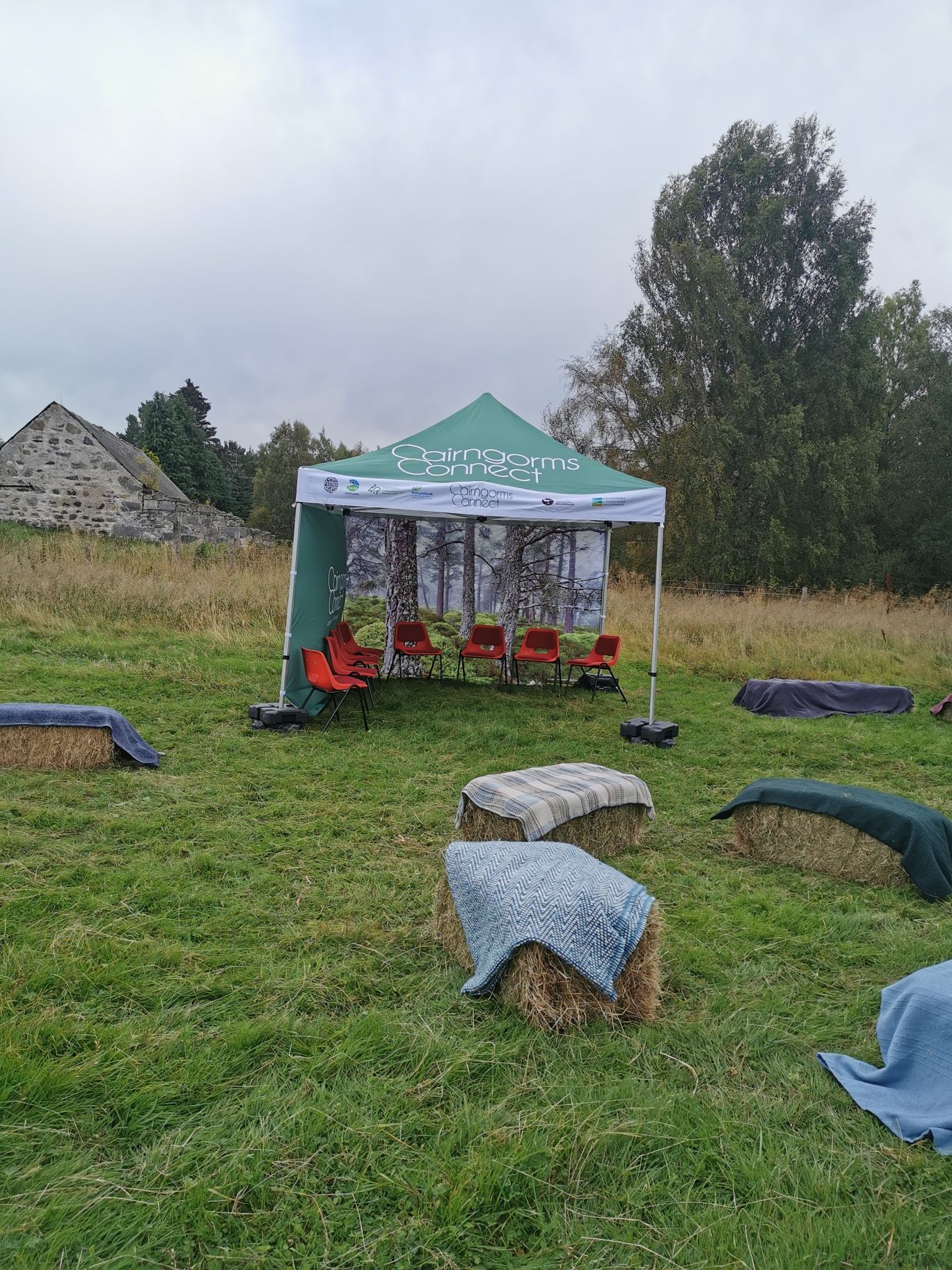
Cairngorms Connect community engagement event. David Brown, 2024.
Other cases in the Cairngorms highlight that local communities are becoming disenfranchised through landowner practices. One of the RSPB sites (a conservation-intensive but high-traffic site with competing land uses) is an example in which participants held longstanding negative impressions of how the organisation communicates with other land-users and communities. Participants felt the site management did not incorporate a plurality of viewpoints, generating conflicts with local communities and land users. Some people noted a ‘fortress conservation’ approach among both established environmental organisations and ‘green lairds’, where the primary aim is to restrict people’s impact on the land to meet sustainability goals. People are regarded as the problem, not the solution. Landowners and organisations control the land and land-use change, with little room for input from outside communities and stakeholders.
However, participants described more favourably another RSPB site that was less well-travelled but had more active community engagement and more measured conservation practices. This was largely due to positive, ongoing individual relationships built over the years in support of parallel community initiatives, where RSPB staff were well-integrated into local communities. In this context, the RSPB has offered the use of its buildings, equipment, and materials for community purposes, which contributed to trust-building across community groups.
Moreover, the CNPA and wider Scottish policy bodies, such as Scottish Forestry, have consultation processes in place to engage with communities. However, many participants note that these tend to be limited in scope, tokenistic, and fail to adequately involve meaningful input from communities. Consultations often arrive too late, almost always after policymakers or the National Park have already decided what they will do, and are not timed to allow local input into the development of National Park plans. Many research participants have had past negative experiences with consultations, who feel that their responses go into a black box and their contributions do not make a concrete impact on subsequent plans. Research participants emphasised the need to elevate community voice and influence beyond these consultation processes and to generate more meaningful, upstream community involvement in landscape regeneration plans and strategies.
Regarding forms of community engagement, it is important to consider who is and is not included in the ‘community’. Our research highlights that communities involved in landscape regeneration tend to be composed of a familiar set of local people who are already closely involved in local politics, such as members of community councils, civil society, and environmental organisations. Community-based organisations are typically led by older, retired members of the community who have the time and capacity to volunteer. This partly reflects the demographics of some parts of rural Scotland and the appeal of the Highlands area as a place to retire. However, this has shifted somewhat in recent years, particularly post-pandemic, with younger demographics and professionals moving to rural parts of Scotland, including the Cairngorms.
While the Scottish government’s policies have tended to focus primarily on ‘communities of place’, it is notable that many communities can be overlooked in engagement initiatives. There are examples of youth groups focused on nature restoration across Scotland and the UK, such as RSPB youth networks and Youngwilders, and in the Cairngorms, a ‘youth action team’ within the National Park governance. These are groups made up of young people dedicated to nature and to restoring the landscape, yet there are broader and ongoing limitations in engaging young people and in connecting insights to landscape regeneration. Meanwhile, communities of interest, including mountaineers and outdoors groups, are often overlooked in consultation processes in favour of local communities, despite their in-depth knowledge of the landscape. These examples highlight a need for a more joined-up approach to community engagement that incorporates diverse communities, while listening to their respective needs and aspirations.
There are efforts by organisations and policy bodies to develop a more inclusive approach and to involve a wider range of people in their engagement. Notably, the CNPA is developing its ‘Cairngorms 2030’ programme, which, through a number of wide-ranging initiatives, aims to give communities in the Cairngorms greater decision-making power to design and deliver projects, with a key role for co-design, for instance, through a community-led grants scheme.Cairngorm National Park Authority, ‘Cairngorms 2030’. The programme seeks to expand on previous forms of community engagement by building relationships with people and under-represented communities who have typically engaged less with the National Park and related processes. A notable element of the programme involves deploying more creative and inclusive engagement methods to facilitate contributions from people with a range of backgrounds, for instance, community arts projects that foster people’s connection to landscapes.Cairngorm National Park Authority, ‘Community Arts and Culture’. Alongside this, the CNPA is making targeted efforts to build relationships with specific sections of the community, including farmers interested in adopting sustainable practices.
Communities do not generally feel heard. This criticism relates to wider points made by some that developments in community engagement procedures belie the ongoing powerlessness of rural communities, including the power to make decisions about managing the land or to realise community land visions. Notably, there is a deficit of substantial engagement with local livelihoods and diverse community views, for instance, those that do not align with the National Park’s vision. There is a sense that local, grounded knowledge about managing the land, developed over time, is not being adequately drawn upon and built upon by organisations and policymakers, for instance, by longstanding farmers in the area. A notable example of this is the CNPA beaver reintroduction project, which was negatively perceived by the farming community due to a top-down approach and a lack of communication from the CNPA. This led to protests in 2024 and the establishment of the Cairngorms crofters and farmers group.
Overall, there are calls for policy bodies, the CNPA and organisations to reach out to communities and to develop their plans collaboratively from the ground up through closer integration of community needs, perspectives, and knowledge. With community-based organisations, there are noted attempts to reach out to the wider community beyond a dedicated core team. These engagement efforts tend to be less focused on consultations and more on fostering local action on the land, for instance, through volunteer programmes, citizen science and events. Some of these, such as Deeside CAN’s ‘Banchory Wee Forest’ project, have engaged school groups in tree-planting at a local site to encourage young people’s involvement in sustainability efforts.Deeside Climate Action Network (CAN), ‘Banchory’s Wee Forest’. Yet many community groups have noted difficulties in building membership among the local population.
One notable example of a community-based initiative in the Cairngorms is the Carrbridge Community Orchard, which is based on ambitions for locally grown food, nature recovery, and improved wellbeing.Carrbridge Community Orchard, ‘Home’. The project focuses on wide-ranging, inclusive approaches to engaging different sections of the community, including involving pupils from local schools in the stewardship of the orchard. Primary school pupils across different age groups planted the first fruit trees in the orchard, while rural skills students from the local high school have been involved in digging trenches for drainage. By facilitating direct, practical contributions from school pupils to their projects, the orchard group aims to foster a sense of ownership among young people in the village, grounded in a vision of the orchard as an intergenerational space. There are also ambitions to develop educational resources, not only for schools but for the wider community.
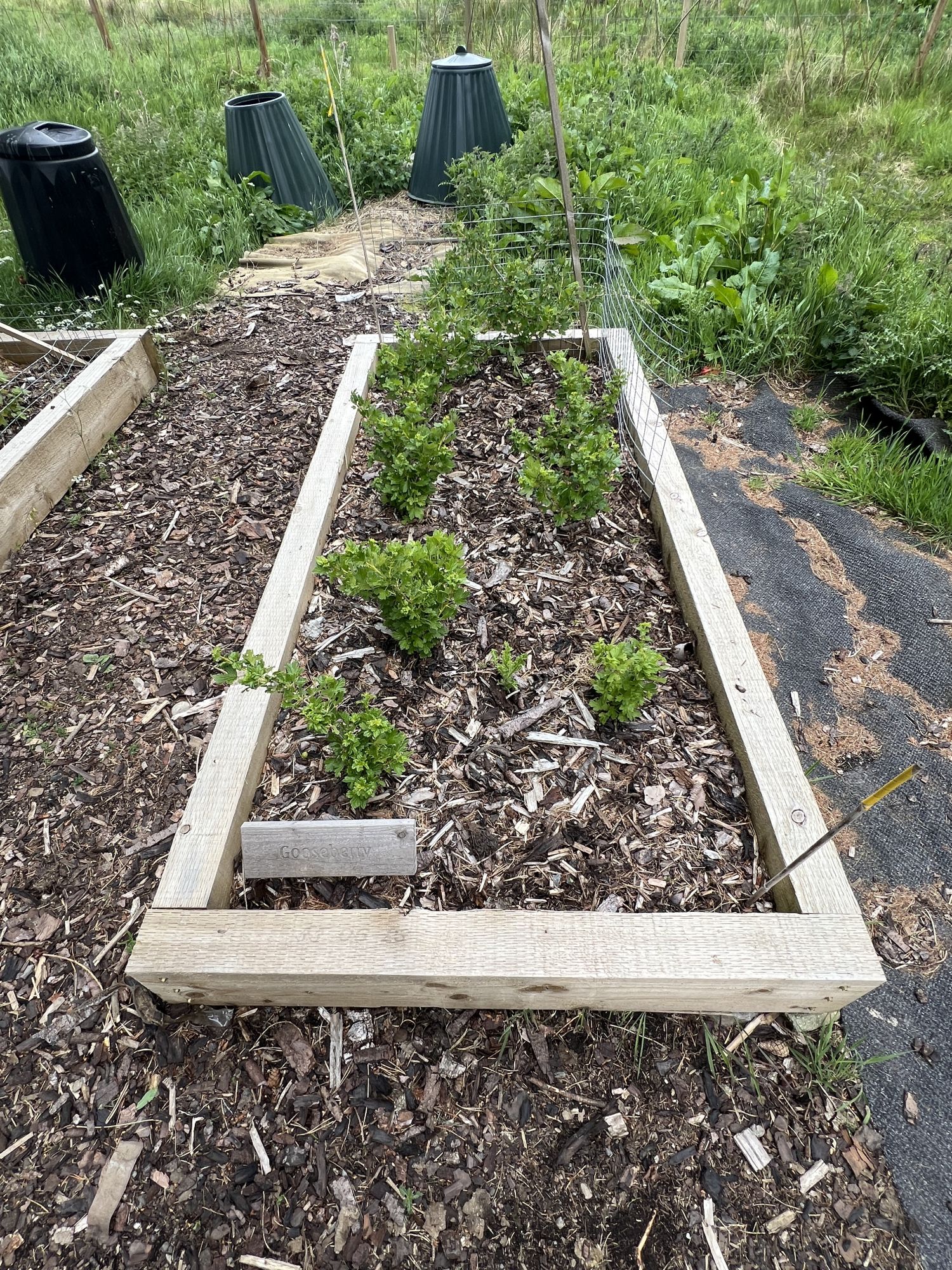
Carrbridge Community Orchard. Jennifer Gabrys, 2025.
The Carrbridge community orchard group aims to be inclusive, where volunteers of varying abilities and experiences can become involved in a range of roles. One aim of the orchard project is, in part, to help more recent residents in the area become involved in village life. The orchard group’s community engagement has built upon a strong ecosystem of voluntary groups and voluntary engagement in the relatively affluent village, including links to a longstanding and well-funded community development company, Carrbridge Ahead.
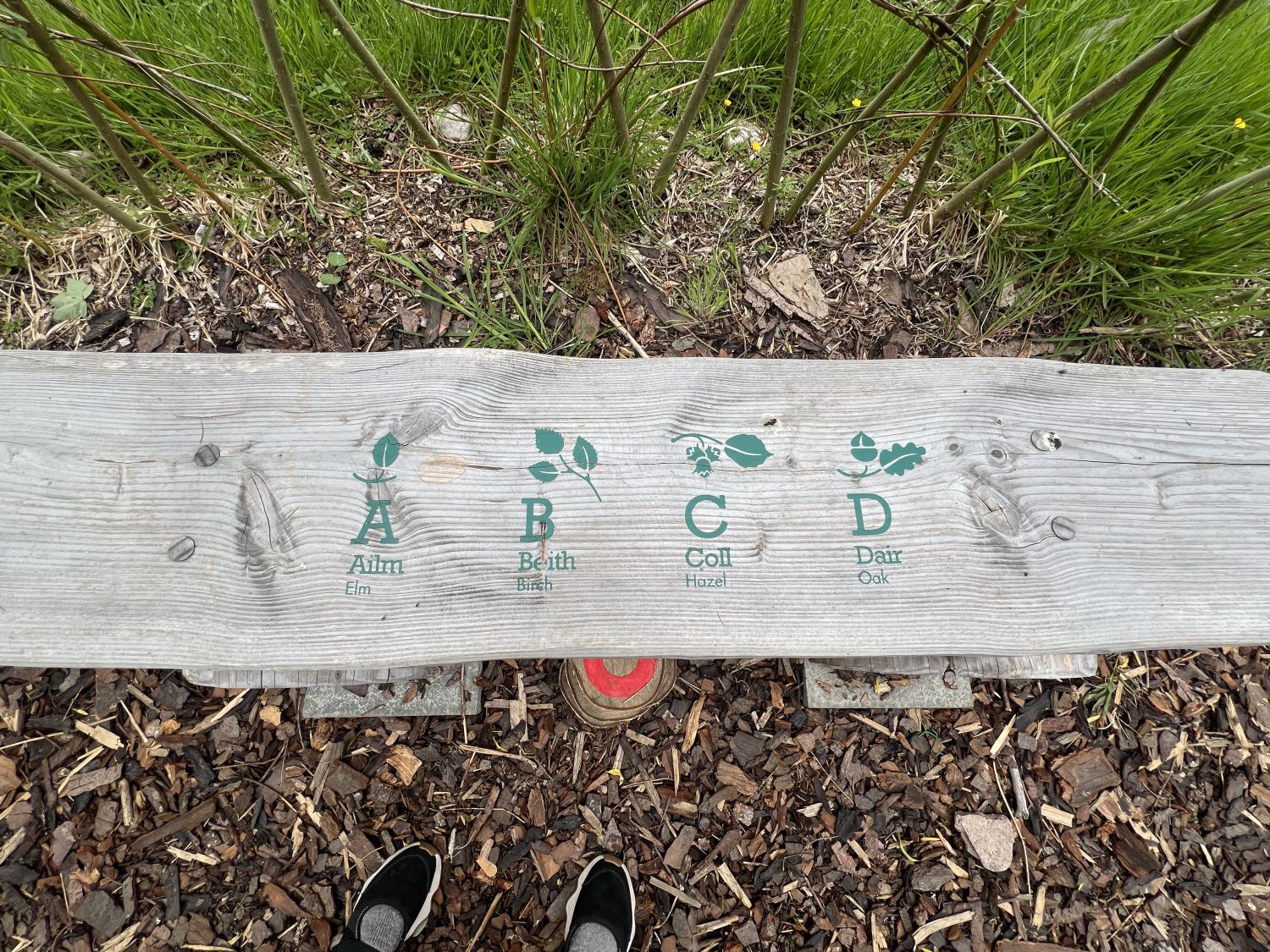
Carrbridge Community Orchard. Jennifer Gabrys, 2025.
As part of its objectives to empower and embolden the community, a core aspect of the orchard group’s project governance is its use of a sociocracy approach, which involves dynamic, consensual governance through equitable power-sharing.Carrbridge Community Orchard, ‘Making Decisions’. With this method, there is agreement on the broad principles and overall direction of the project set by a core management group, but operational details are decided by the teams doing the orchard work. Volunteers work in ‘circles’ that are based around particular operational purposes, for instance, circles for planting or fundraising, and organise among themselves about day-to-day issues and plans. Thus, this aims to be a more devolved form of decision-making and to give volunteers working on projects greater ownership and autonomy.
This landscape regeneration story points to several key areas for further progress
- Communities often feel disempowered from land-based decision-making.
- While there are some positive examples of community engagement from landowners and landholding organisations, overall, the quality of governance arrangements and participatory practices is highly variable across sites.
- Mechanisms for communities to engage in and to be heard tend to be poorly developed or inadequately meaningful, including consultation processes.
- There is a lack of substantial engagement with local livelihoods, diverse community views, and local knowledge about managing the land.
- There tends to be a limited scope of communities identified in engagement initiatives, with some sections of communities overlooked, not adequately engaged with or not listened to.
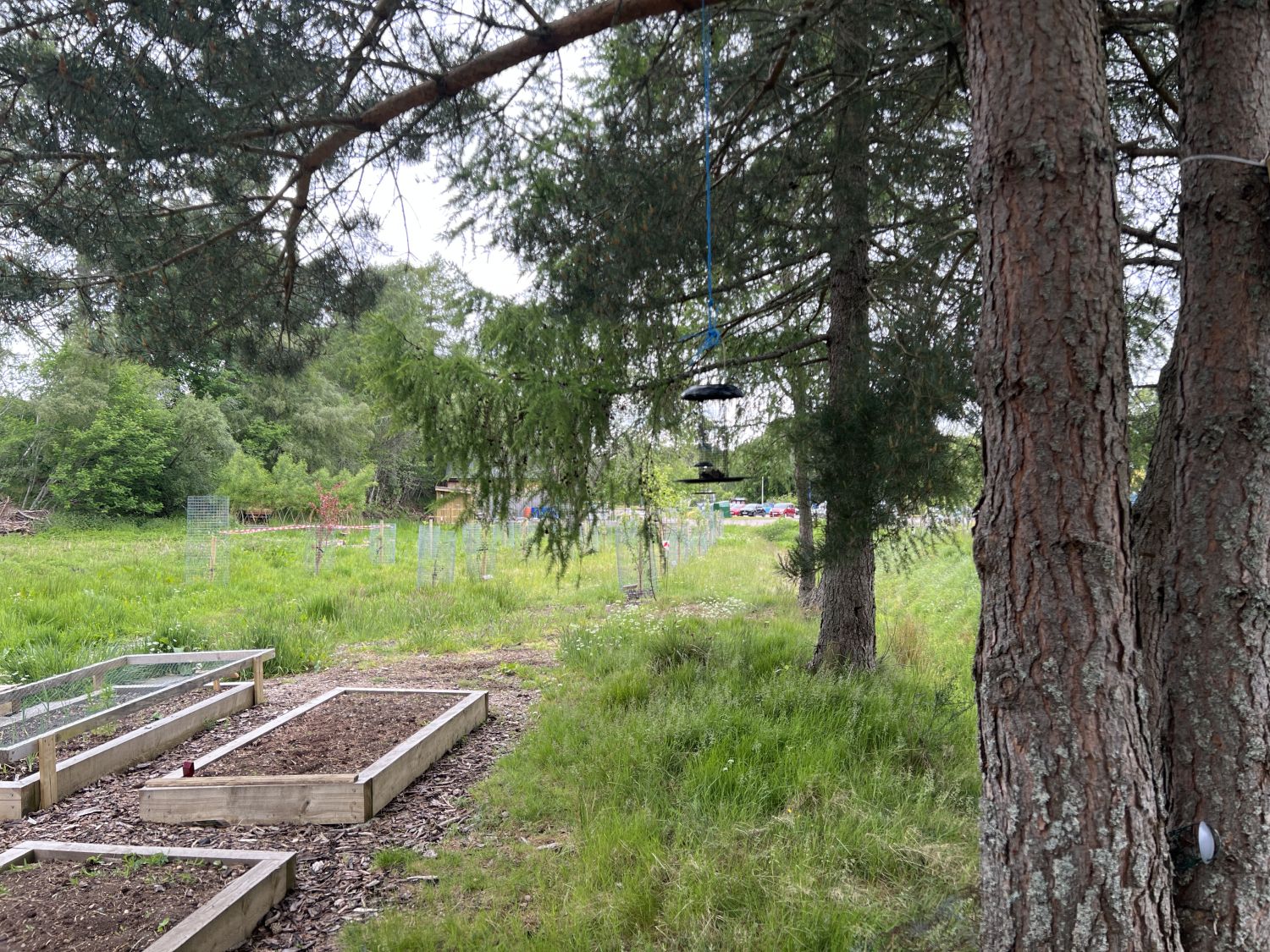
Carrbridge Community Orchard. Jennifer Gabrys, 2025.
Democratic & ecological renewal
Landscape Regeneration Story 5: Linking Democratic Renewal with Ecological Renewal
- Finding Diminished local governance and democratic participation
- Aim Integrate democratic renewal with ecological renewal
- Map See this theme on the map
Current local governance structures in Scotland are better suited to urban areas than to smaller, more dispersed rural populations. This is reflected in a wider campaign for ‘building a local Scotland’, which highlights the fact that, as a result of creeping centralisation, Scotland is ‘one of the least locally governed countries in the world’.Building a Local Scotland, ‘Building a Local Scotland’. Councils in Scotland cover much larger areas and populations than their European peers (an average population of 170,000, against a European average of just 10,000). In particular, the area covered by the Highland Council is larger than Wales or Belgium, which are comprised of many local authorities and other democratic institutions. It means that Highland councillors often take decisions without adequate community input or knowledge.
Thus, there is a governance gap in the Scottish Highlands and a mismatch between local and regional governance. Our research highlighted that, while the regional councils, such as the Highland Council, are the de facto local government in the Cairngorms, many people see them as detached from local contexts and concerns and as adopting a top-down, bureaucratic approach to community engagement. Overall, there is a lack of trust in local authorities, which are seen as ineffective, unrepresentative, or disengaged from the issues people care about.
These problems are tied to calls for local government reorganisation into smaller units, including a renewal of the town council system in Scotland, which was abolished in the early 1970s with the Local Government (Scotland) Act 1973.Wightman, ‘50 Years Since Local Democracy Died’. The ambition would be to give local communities more direct democratic input in a process below the level of the regional councils, as unitary authorities, and to rebalance political power in Scotland away from Edinburgh toward rural communities, in turn allowing them greater autonomy to govern and to strengthen their collective voice. Other European countries are often looked to as reference points for models of local government that hold meaningful statutory powers, including over land, such as the commune system in Norway, where municipal power is delegated at the town level.
Community councils, as the local representative bodies and a bridge between communities and local authorities, were identified by participants as a potential conduit through which community-based decision-making and land planning could develop. The primary roles of community councils are to represent local views and advocate causes on behalf of residents, notably to local authorities, and to respond to local planning applications (as statutory consultees) and other licence applications. This tends to involve efforts to engage with residents on local issues and priorities, typically through regular meetings, consultations, and surveys. Community councils are also often involved in local projects, such as those linked to footpaths, parks, or environmental improvements.
However, community councils have limited power and lack resources, with an average allocation of £400 per annum. They are dependent on local authority grants for running costs, funding which has been cut in recent years.Cruickshank et al., ‘Disconnected Democracy?’. They also have limited formal input into wider land-based decisions. Cairngorms community councils can voice collective views about local issues or developments to the Highland Council. Still, the Highland Council is not under any obligation to take on board the recommendations of the community council. Moreover, limited resourcing for community councils has led to a ‘grey’ space in governance, which communities are often expected to fill.
As a result, many participants called for greater powers and resources to be allocated to the community council level rather than to local authorities, pointing to a reconfiguration of power relations in rural Scotland. Community councils could play a key role in advancing more equitable forms of land governance and in developing greater community capacities, alongside community trusts as another important layer of local democracy in Scotland, which are required to represent the interests of communities and to follow democratic processes in making decisions. Moreover, there are wider calls to reform community councils to be more democratic and representative of residents.Paterson et al., Strengthening Community Councils. Notably, community councils in Scotland are typically dominated by ‘white, more affluent, retired men’, with low representation of some sections of rural communities, for instance young people, and there also tend to be low turnouts for community council elections.
At another layer of governance, it is noted that there are inadequate democratic channels within the National Park structures for residents to influence the CNPA’s strategies and policies. The CNPA is overseen by a board, comprised of both nationally and locally appointed members. Five out of 19 members of the CNPA’s board are directly elected from communities as local representatives,Cairngorms National Park Authority, ‘Staff and Board’. alongside members appointed from each of the local authorities that cover the park and members appointed from the Scottish government. While this is intended to provide some level of community representation and democratic accountability, in practice, participants highlighted that there are few open channels within the CNPA governance structures for residents to influence the CNPA’s strategies and policies, and highly limited opportunities for communities to directly engage with their elected representatives.
Another identified problem with National Park governance relates to ongoing processes of centralisation in Scotland, where the CNPA, as an executive public body which reports to Scottish ministers, does not significantly deviate from decisions made in Edinburgh, including on landownership and land use. The balance in the National Park is seen to favour national rather than local interests. There are examples of more direct government intervention, such as the beaver release, which research participants identified as driven by the Scottish government, with the CNPA board only becoming aware of these plans at a late stage, when the decision had already been effectively made. While the CNPA has planning powers to influence land use and land management, participants noted that these are not strongly exercised to benefit communities, for instance, by providing a framework for managing restoration in the National Park.
Since 2008, Community Action Plans (CAPs) have been produced by communities in the National Park.Cairngorms National Park Authority, ‘Community Action Planning’. These aim to enable communities to voice their concerns and to identify their key priorities. Supported by the CNPA and community development organisations, the process of developing CAPs generally involves consultations with residents about their priorities, conducted through meetings, forums, and surveys, with efforts to ensure inclusive representation of local communities. CAPs are meant to inform the CNPA’s local development plans while also feeding into assessments of planning applications at the community council, Highland Council, and CNPA levels of governance. On another level, the CAP is intended to serve as supportive infrastructure for the community to design, deliver, and lead a range of local projects, such as infrastructure improvements and conservation initiatives.
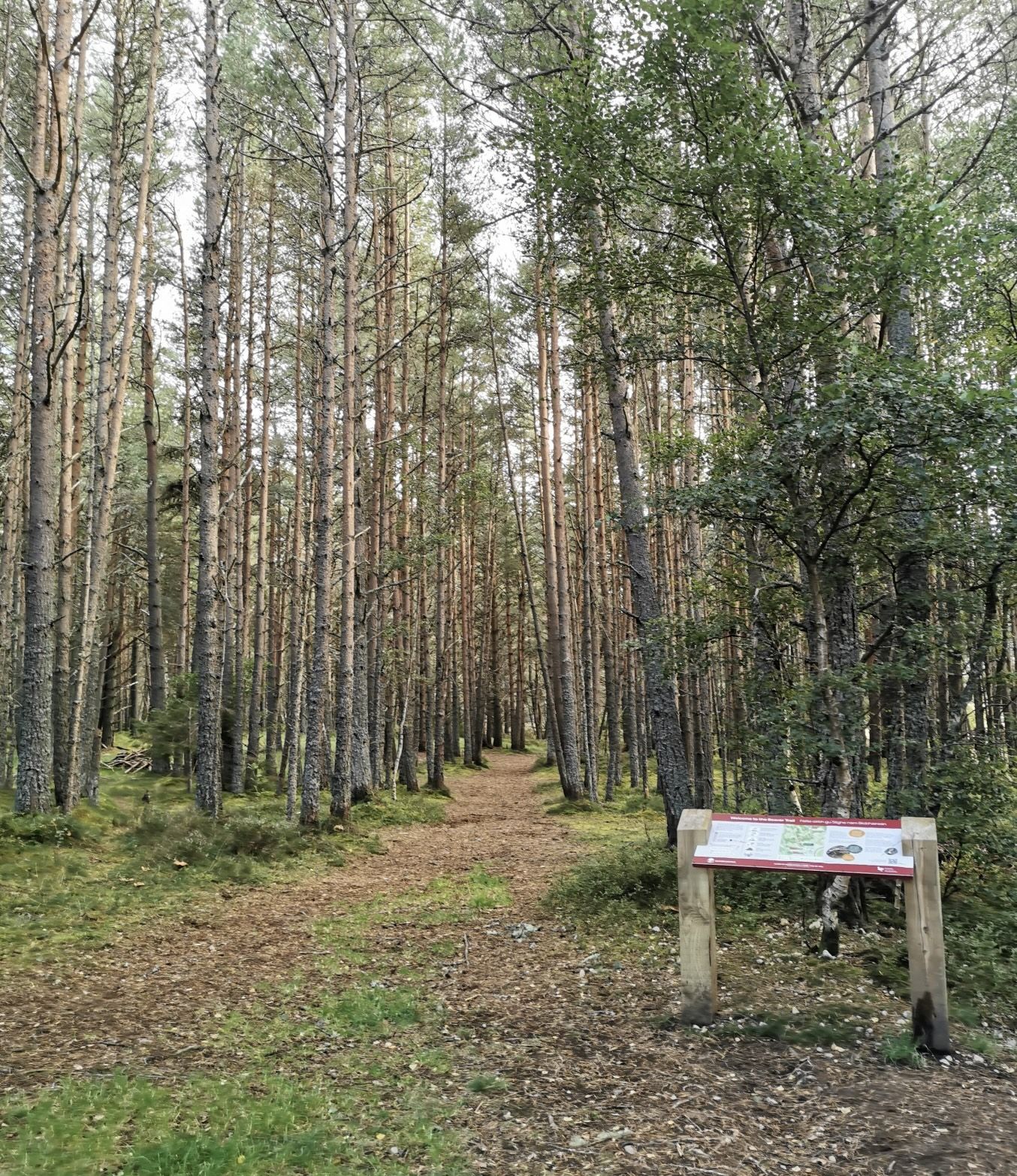
Rothiemurchus Estate. David Brown, 2024.
For example, we can look at Aviemore, Rothiemurchus & Glenmore’s Community Action Plan, compiled in Spring 2024.Cairngorms National Park Authority, Aviemore, Rothiemurchus & Glenmore Community Action Plan: Looking to 2030. The local community was surveyed on their priorities and ideas for the future development of the area over a five- to ten-year horizon, including new projects they would like to see across the climate, economic, and social spheres. With Aviemore a key visitor hub in the Cairngorms, the CAP highlights the importance of providing affordable housing and countering the growing number of second homes and short-term lets in the area as a route to supporting local businesses in maintaining their workforce. Other suggestions from the community include social improvements, such as building a new community hall, improving public transport to reduce car dependency, and developing a community orchard.
Alongside CAPs, there are the more recent Local Place Plans (LPPs), introduced through the Planning Act (Scotland) 2019, and intended to bolster land reform legislation, which provide community bodies with the opportunity to register plans with the local authority and offer a new channel through which community aspirations can be recognised within the local planning system. While community-led planning offers the potential to lay the groundwork for increased social capital and capacity-building, there are also many barriers to making the plans work effectively, especially given the burdens these plans can place on volunteers.Landon, ‘Local Place Plans and Community Ownership’. Moreover, CAPs tend to be hyperlocalised and have little influence beyond the local community. Landscape-level changes are generally not reflected in community action plans because they are seen as out of reach. Some community members call for CAPs to be improved by more fully considering the role of place in community-based landscape regeneration. Both CAPs and LPPs are currently under-resourced as planning tools, resulting in patchy delivery and minimal impact.
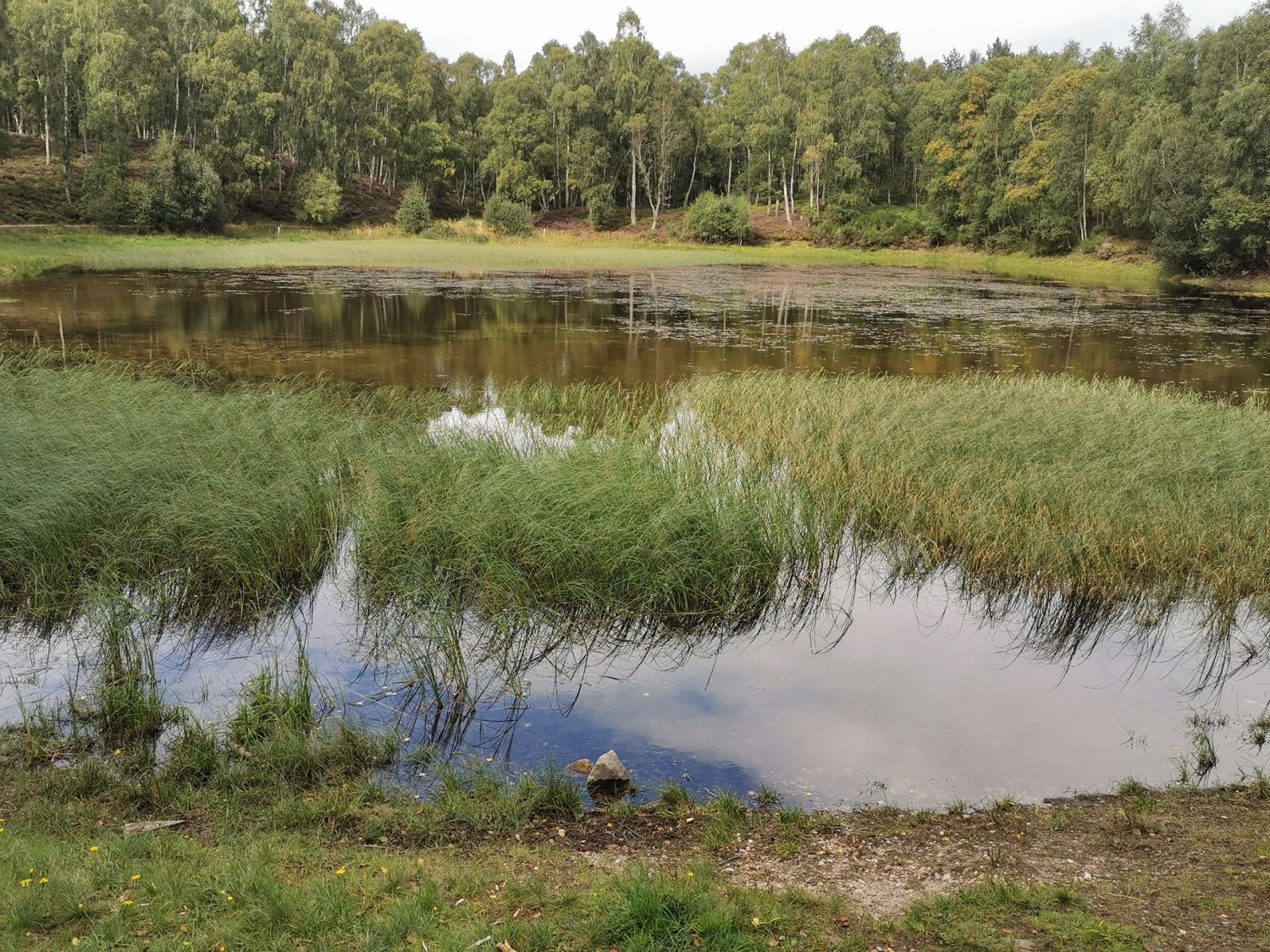
Craigellachie National Nature Reserve, Aviemore. David Brown, 2024.
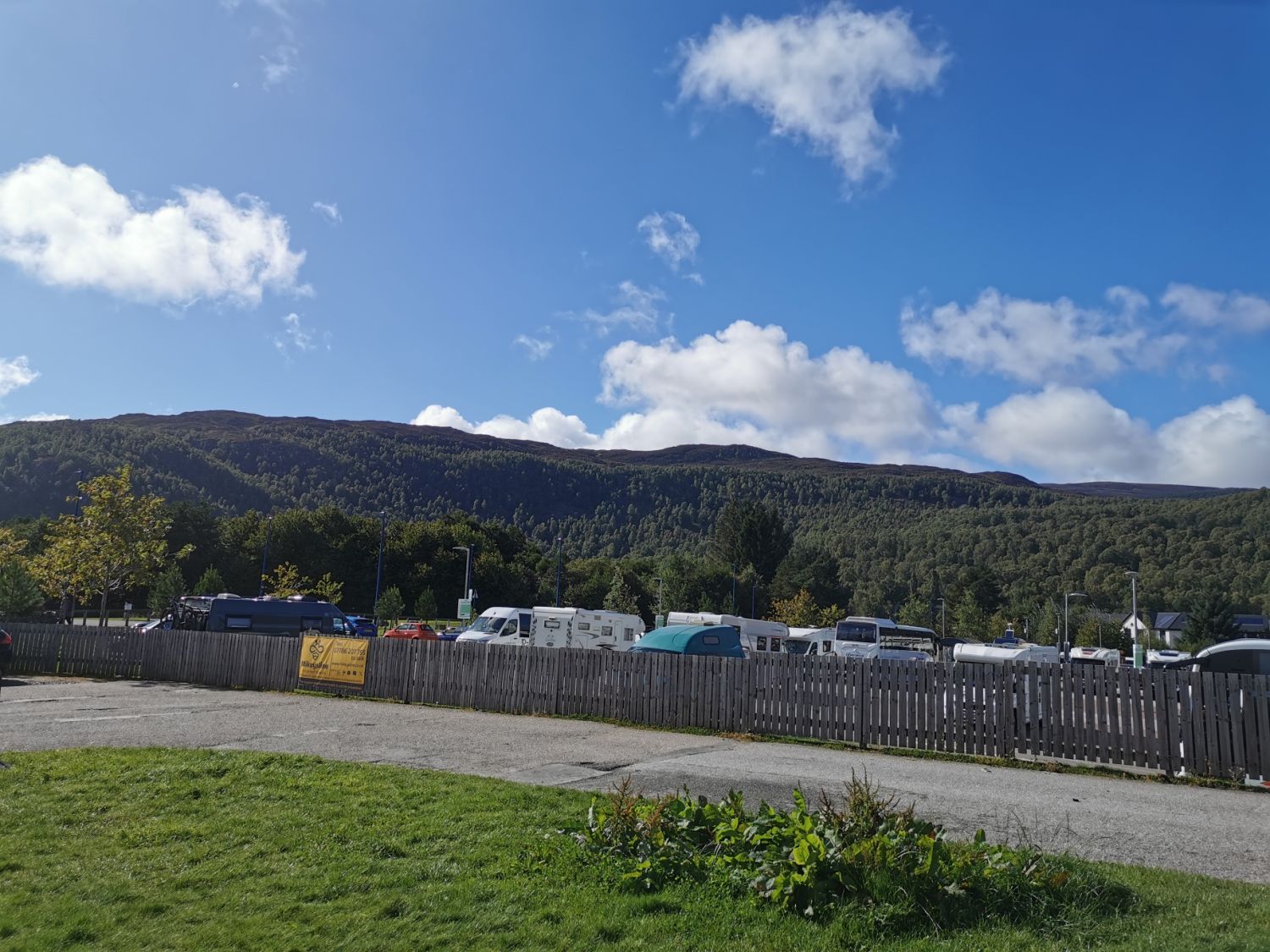
Aviemore. David Brown, 2024.
Participants also noted that a citizens’ assembly model could help build consensus. These modes of democratic decision-making could facilitate finding common ground while enabling conflict resolution, as part of inclusive community-based efforts. However, it is important to leave space for airing a range of views within communities on land management, and our research pointed toward more pluralist approaches to community participation. A forum for deliberative discussions with a diverse range of stakeholders can help find an inclusive path forward that does not erase different views but instead builds empathy and a shared understanding, highlights areas of compromise, and addresses misinformation and other grievances. Meanwhile, a Memorandum of Understanding (MOU) could help to establish the role of different stakeholders in local planning and projects.
This landscape regeneration story points to several key areas for further progress
- A gap and democratic deficit can be identified between local and regional governance, constraining communities attempting to engage in and benefit from landscape regeneration initiatives.
- There is a lack of trust in local authorities, which are seen as ineffective, unrepresentative, or detached from local contexts and concerns.
- Our findings point to a need to redirect power and resources to the local level of governance, including community councils that could play a key role in advancing more equitable forms of land governance.
- There are inadequate democratic channels within the National Park structures for residents to influence strategies and policies.
- While community-led planning offers the potential to lay the groundwork for increased social capital and community action, the plans tend to be hyperlocalised and are under-resourced as planning tools.